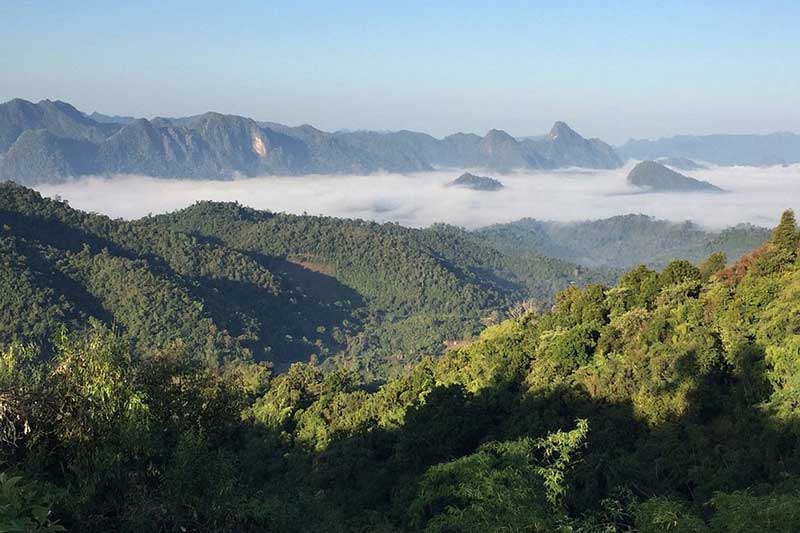
Nestled in the northern region of Thailand, Tak Province is a captivating destination where natural beauty meets cultural heritage. Often overshadowed by its more famous neighbors, Tak remains an unspoiled gem, offering a tranquil escape for travelers seeking an authentic Thai experience. The province is characterized by its breathtaking landscapes, including majestic mountains, serene rivers, and cascading waterfalls, making it a haven for nature lovers and adventure seekers.
Tak is not just about scenic beauty; it is also steeped in history and traditions. As one of the oldest provinces in Thailand, Tak has a rich cultural tapestry, influenced by its strategic location near the Myanmar border. From ancient temples and historic sites to lively border markets, Tak seamlessly blends the past and present, giving visitors a glimpse into its unique identity.
Whether you’re trekking through lush national parks, marveling at the engineering wonder of Bhumibol Dam, or savoring delectable northern Thai cuisine, Tak offers an unforgettable journey off the beaten path. Far from the bustling crowds of mainstream tourist destinations, Tak invites you to slow down, reconnect with nature, and immerse yourself in the charm of rural Thailand.

Tak Province is best visited during the cool and dry season, which typically spans from November to February. During this time, the weather is most pleasant, with daytime temperatures ranging from 20 to 28°C (68 to 82°F) and cooler evenings that make outdoor activities more enjoyable. This period is ideal for exploring Tak’s stunning natural attractions, such as its national parks, waterfalls, and mountain trails, without the discomfort of heat or humidity.
One of the highlights of visiting Tak during the cool season is experiencing the Loi Krathong Sai Festival, a spectacular local celebration in November. This unique event features thousands of floating coconut-shell lanterns released into the Ping River, creating a mesmerizing scene that’s a feast for the eyes and soul.
For travelers who enjoy lush greenery and waterfalls at their fullest, the rainy season from June to October is also worth considering. While occasional heavy rains are expected, this period transforms the province into a verdant paradise. The waterfalls, such as the famed Thi Lo Su Waterfall, are at their most impressive, and the countryside is blanketed in vibrant greenery.
The hot season, from March to May, can be challenging due to high temperatures that often exceed 35°C (95°F). However, this season is great for visiting Tak’s famous markets or enjoying water activities to cool off. Festivals like Songkran, the Thai New Year in April, offer lively cultural experiences during this time.
In summary, the best time to visit Tak largely depends on your preferences, but the cool season offers the most comfortable and picturesque conditions for exploring this hidden gem of northern Thailand.
Tak Province is a treasure trove of natural beauty, historical significance, and cultural richness. Here are the top five must-visit attractions that make Tak a memorable destination:
Considered the largest and most spectacular waterfall in Thailand, Thi Lo Su Waterfall is nestled in the Umphang Wildlife Sanctuary, a UNESCO World Heritage Site. The waterfall cascades down multiple tiers, creating a breathtaking sight surrounded by lush tropical forests. Visitors can enjoy trekking through scenic trails, birdwatching, or even rafting along the Mae Klong River to fully immerse themselves in nature. A visit during the rainy season (June to November) is highly recommended to see the waterfall at its most majestic.

This impressive structure on the Ping River is not only an engineering marvel but also a scenic spot for leisure activities. The dam’s reservoir, surrounded by rolling hills, offers opportunities for boating, fishing, and kayaking. Visitors can also take a relaxing cruise to enjoy the serene atmosphere and panoramic views. The dam area is a peaceful retreat for those looking to unwind amidst nature.
Mae Sot, a vibrant border town, is a melting pot of Thai and Burmese cultures. Stroll through the bustling Mae Sot Market to discover a variety of goods, including Burmese handicrafts, gemstones, and delicious street food. Don’t miss the opportunity to visit Wat Thai Wattanaram, a temple adorned with intricate Burmese-style architecture and home to a large reclining Buddha statue.
For adventure seekers and nature lovers, Lan Sang National Park is a must-visit. This park is famous for its pristine waterfalls, such as Lan Sang and Pha Lat waterfalls, and its scenic hiking trails. The park’s biodiversity makes it an excellent spot for birdwatching and wildlife photography. Visitors can enjoy camping under the stars and waking up to the serene sounds of the forest.
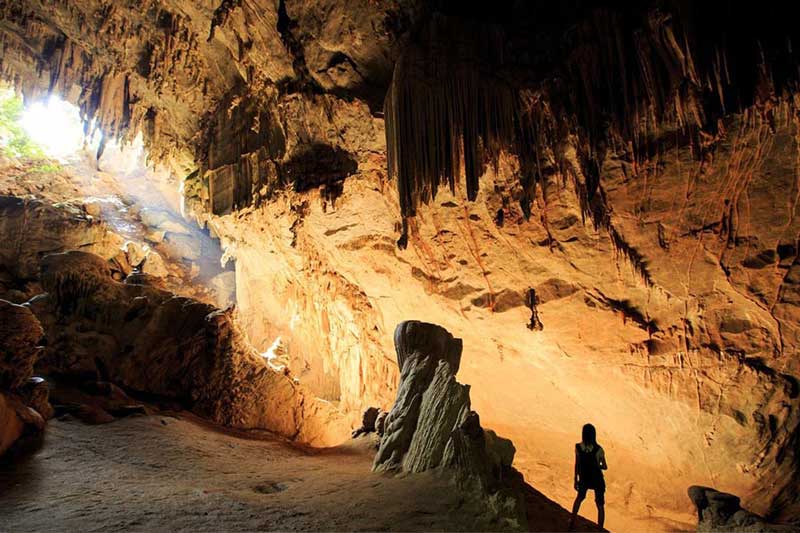
Pay homage to King Taksin the Great at this iconic shrine in Tak’s city center. The shrine honors the legendary king who played a pivotal role in Thailand’s history. The site features a bronze statue of King Taksin on horseback, and locals believe that paying respects here brings good fortune. The shrine is surrounded by beautiful gardens, providing a tranquil space for reflection.
Tak offers a perfect mix of natural wonders and cultural attractions. Whether you’re seeking thrilling adventures or peaceful retreats, this province promises unforgettable experiences.
Tak’s culinary scene is a delightful fusion of Northern Thai flavors and unique local specialties. From fresh ingredients to rich, aromatic dishes, the province’s food will leave you craving more. Here’s a closer look at some must-try dishes:
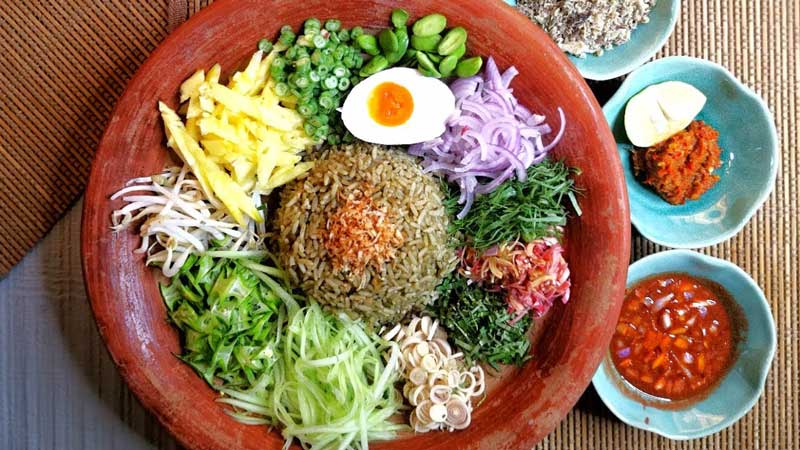
Khao Yam Tak is a vibrant and healthy dish that showcases the fresh produce of the region. This rice salad combines steamed rice with a mix of shredded vegetables like green mango, cucumber, and long beans, along with fresh herbs such as kaffir lime leaves and lemongrass. The addition of dried shrimp and toasted coconut adds depth, while the tangy, slightly sweet dressing made with lime juice, fish sauce, and palm sugar ties everything together. It’s a refreshing and flavorful meal perfect for lunch.
A staple in Northern Thai cuisine, Nam Prik Ong is a rich and savory dip made from ripe tomatoes, minced pork, and a blend of garlic, shallots, and chili. The ingredients are simmered to create a thick, flavorful paste with a hint of sweetness and spice. This dish is traditionally served with fresh or steamed vegetables like cabbage, long beans, and carrots, as well as sticky rice. It’s a comforting dish that embodies the warm flavors of the region.
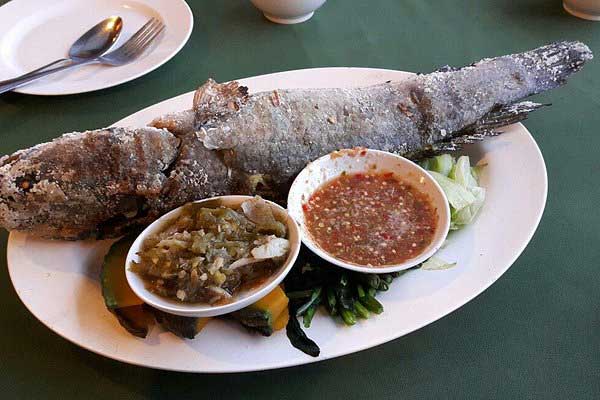
Tak is renowned for its freshwater fish dishes, thanks to its proximity to the Ping River. The grilled fish is a simple yet mouthwatering delicacy, where the fish is marinated with a mix of lemongrass, garlic, and other herbs before being cooked over charcoal. The result is tender, flaky fish with a smoky aroma and crispy skin. It’s often accompanied by spicy dipping sauces like Nam Prik Noom or Nam Pla Prik and sticky rice, making it a favorite for seafood enthusiasts.
Kaeng Hang Lay is a slow-cooked curry that’s rich in flavors and steeped in history. This dish features tender pork belly or shoulder cooked with garlic, ginger, shallots, and tamarind paste. A unique blend of spices like turmeric, cinnamon, and coriander adds depth to the curry, while the slight sweetness balances the tanginess from the tamarind. Served with steamed rice, it’s a dish that showcases the complexity of Northern Thai cuisine.
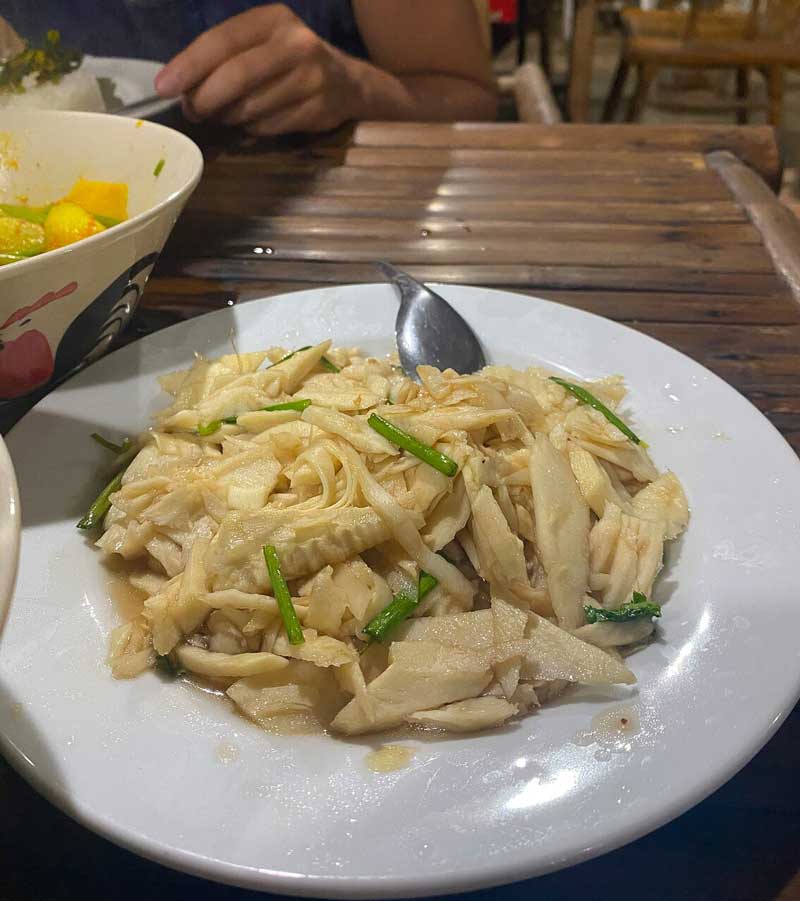
Fried bamboo shoots are a true representation of Tak’s agricultural heritage. Freshly harvested bamboo shoots are sliced thin and stir-fried with garlic, chili, and local spices. The dish has a crunchy texture and earthy flavor, often paired with rice as a side dish. For a more indulgent version, the bamboo shoots may be stir-fried with eggs or minced pork, creating a wholesome and flavorful meal.
Tak’s food culture is as diverse as its landscapes, offering a mix of bold, comforting, and refreshing dishes that cater to all tastes. From tangy salads to rich curries, your culinary journey in Tak will be as memorable as its scenic beauty.
Tak invites you to immerse yourself in its serene beauty and rich heritage. Whether you’re exploring waterfalls, sampling local cuisine, or experiencing cultural festivals, this hidden gem in Northern Thailand promises a memorable journey.