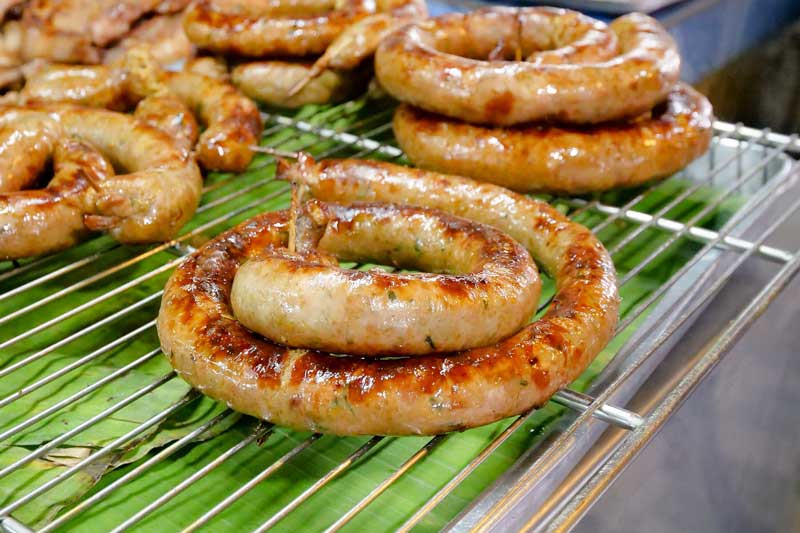
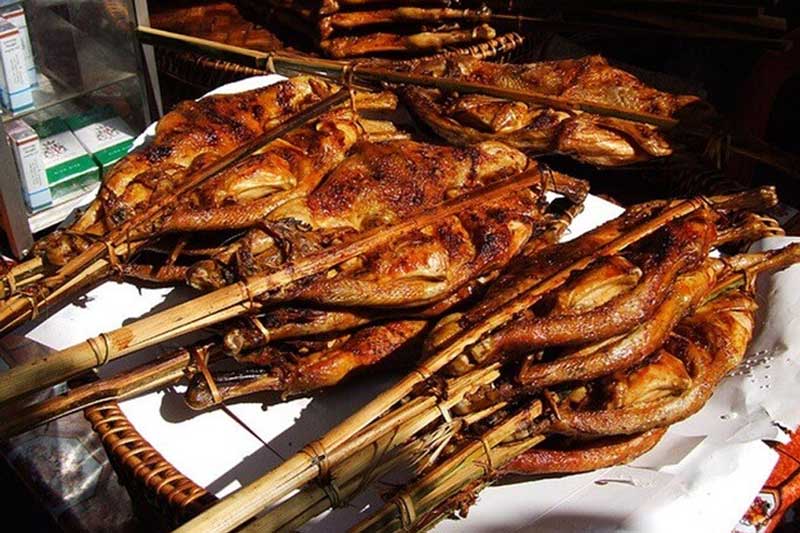
Mae Hong Son, located in the far northwest of Thailand, is one of the country’s most tranquil and picturesque provinces. Surrounded by mist-covered mountains, lush forests, and winding rivers, it is an idyllic destination for nature lovers, adventure seekers, and those looking to experience Northern Thai culture. The province is known for its rich history, diverse hill-tribe communities, and breathtaking landscapes, making it a must-visit for anyone wanting to escape the hustle and bustle of city life. Mae Hong Son offers a unique combination of outdoor activities, traditional village life, and serene retreats, making it the perfect place to unwind and explore the beauty of Thailand’s northern frontier.
Mae Hong Son is located approximately 700 kilometers north of Bangkok.
The ideal time to visit Mae Hong Son is between November and February, during the cool and dry season. This period offers pleasant weather, with temperatures ranging from 18°C to 28°C (64°F to 82°F), making it perfect for outdoor activities such as trekking, exploring waterfalls, and visiting the hill-tribe villages. The cool season also coincides with the festive period in Thailand, providing visitors with the opportunity to experience local celebrations, such as the Loy Krathong and Yi Peng festivals, when the skies are filled with floating lanterns.
From March to May, the temperature can rise significantly, reaching up to 35°C (95°F), and the humidity increases, which might make outdoor activities a bit uncomfortable. However, this period also marks the low season, meaning fewer tourists and lower accommodation prices.
The rainy season from June to October brings monsoon rains, which can cause occasional flooding and make travel to some remote areas more challenging. While the rains contribute to the lush greenery of the region, it’s best to check weather forecasts before visiting during this period.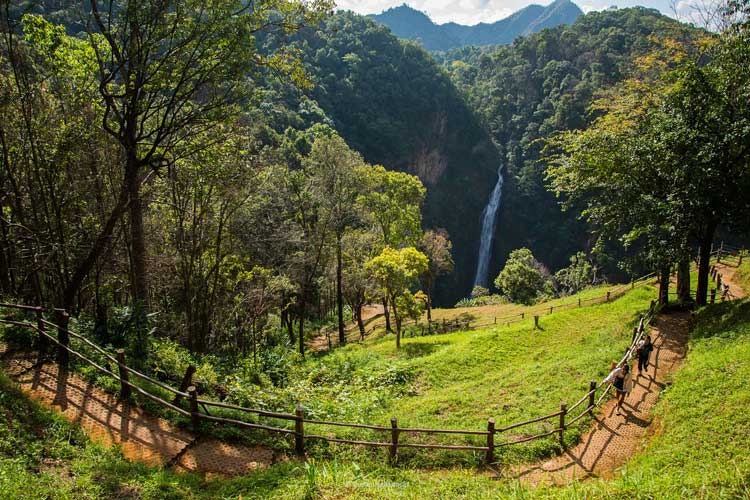
Mae Hong Son is a place filled with breathtaking landscapes and unique cultural experiences. Here are five must-visit attractions:
Pai Canyon
Pai Canyon, located just outside the town of Pai, is a stunning natural landscape perfect for outdoor enthusiasts. Known for its unique red sandstone formations, this site offers picturesque views, especially at sunrise or sunset. Hike along narrow trails and take in panoramic views of the surrounding valley and mountains. The adventurous trails and natural beauty make Pai Canyon a must-see for visitors to Mae Hong Son.

Wat Phra That Doi Kong Mu
Perched on a hilltop overlooking Mae Hong Son, Wat Phra That Doi Kong Mu is one of the most iconic temples in the province. This Buddhist temple is known for its two white chedis (stupas) and panoramic views of the town and surrounding mountains. Visitors can enjoy the peaceful atmosphere and breathtaking scenery while exploring the temple grounds. It’s a fantastic spot for photography, particularly during sunrise and sunset.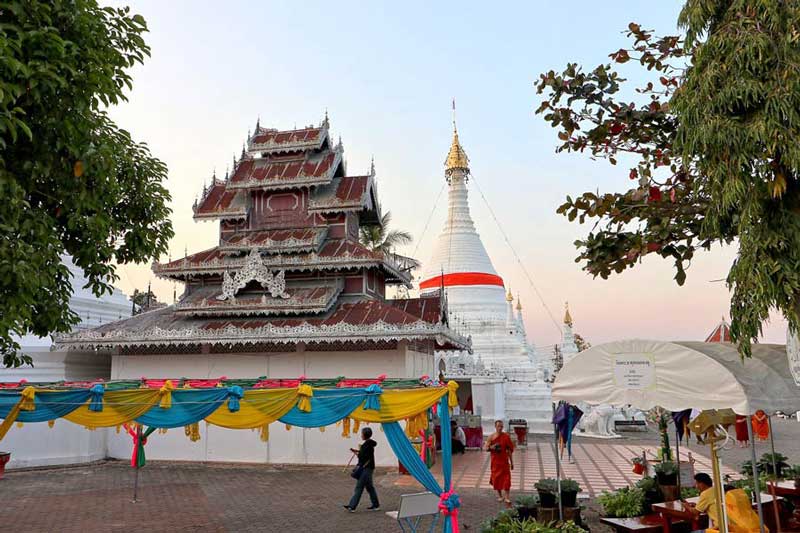
Pang Ung (Switzerland of Thailand)
Often referred to as the “Switzerland of Thailand,” Pang Ung is a serene lakeside destination surrounded by lush forests and rolling hills. Located about 40 kilometers from Mae Hong Son, this peaceful spot is perfect for camping, boating, or simply relaxing by the lake. In the early morning, mist often covers the water, creating a magical atmosphere. The area is also home to the Karen hill tribe village, offering a glimpse into their traditional way of life.
Tham Lod Cave
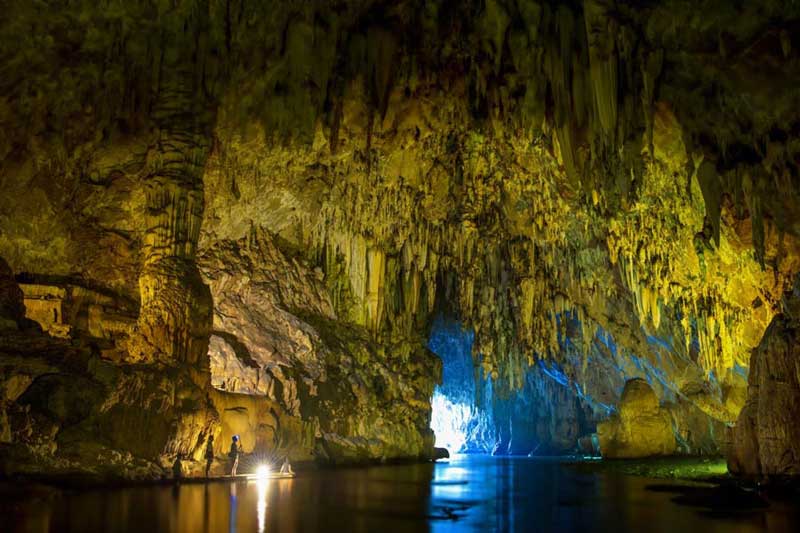
For those interested in cave exploration, Tham Lod Cave is a must-visit. Located near the village of Ban Tham Lod, this extensive cave system is famous for its impressive stalactites and stalagmites. Visitors can take guided tours through the cave and learn about the fascinating rock formations and history of the site. The cave also has an ancient burial site, adding a historical dimension to the natural beauty.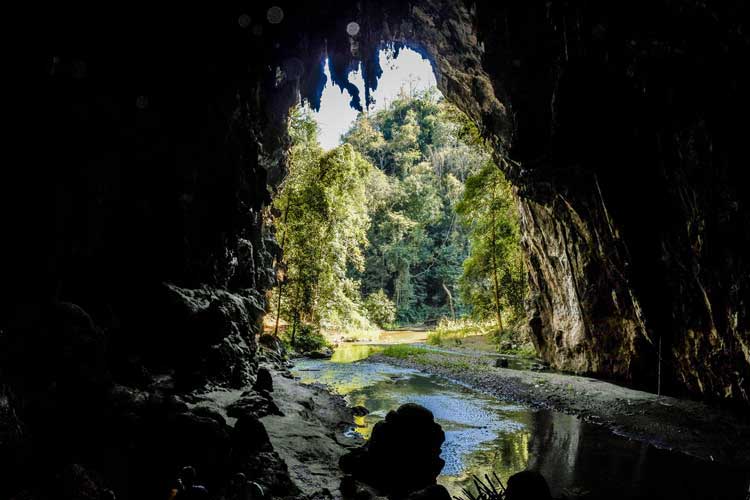
Ban Rak Thai
Ban Rak Thai, a picturesque village located near the Myanmar border, is known for its tea plantations and beautiful lake. The village was originally settled by Chinese Kuomintang soldiers and has a distinct cultural atmosphere. Visitors can enjoy a boat ride on the lake, stroll through the tea fields, and sample locally grown tea. The village is also famous for its unique Yunnanese cuisine, making it a great place to relax and enjoy the peaceful environment.
These attractions make Mae Hong Son a destination full of natural beauty, rich cultural heritage, and opportunities for outdoor adventures.
Mae Hong Son offers a variety of traditional Northern Thai dishes, each infused with local ingredients and bold flavors. Here are five dishes you should try:
Mae Hong Son offers a peaceful retreat into nature and culture, where you can immerse yourself in scenic beauty and enjoy a variety of cultural experiences. Whether you’re an adventure seeker or someone looking for serenity, this charming province is a hidden gem in Northern Thailand.




Nestled in the misty mountains of Vietnam’s Lao Cai Province, Sapa is a charming town known for its stunning landscapes, terraced rice fields, and vibrant ethnic cultures. Located at an elevation of 1,600 meters above sea level, Sapa offers visitors a cool, fresh climate and breathtaking views of mountains and valleys.
Sapa is not just a paradise for nature lovers but also a cultural treasure trove, home to ethnic minorities such as the H’Mong, Dao, Tay, and Giay people. With its mix of natural beauty, cultural diversity, and adventure opportunities, Sapa is an ideal destination for any traveler.
The history of Sapa is as fascinating as its scenery, blending ancient traditions with colonial influences:
Sapa is known for its unique climate, offering a refreshing escape from Vietnam’s tropical heat:
Sapa is easily accessible, with several convenient options:
Sapa offers a blend of natural wonders and cultural landmarks, making it a diverse destination:
Standing at 3,147 meters above sea level, Fansipan is the highest peak in Vietnam and Indochina.
This stunning valley is home to terraced rice fields and ethnic villages, offering visitors a glimpse into rural life.
Located in the heart of Sapa town, the Stone Church is an iconic remnant of the French colonial period.
Just a short walk from Sapa town, Cat Cat Village offers a blend of traditional culture and natural beauty.
Silver Waterfall, or Thác Bạc, is a majestic cascade located 12 km from Sapa town.
Sapa’s culinary scene reflects the rich cultural diversity of its ethnic groups, offering a wide variety of traditional dishes that highlight the region’s unique ingredients and cooking methods. These local specialties are a must-try for any traveler looking to immerse themselves in the authentic flavors of Sapa.
Thang Co is a signature dish of the H’Mong people and one of the most famous traditional foods in Sapa.
This delicacy is a favorite snack and souvenir from Sapa, offering a smoky and chewy texture with a distinctive flavor.
This traditional alcoholic beverage is both a drink and a cultural experience.
Men Men is a simple yet hearty dish made from corn, reflecting the agricultural practices of the H’Mong people.
Although salmon is not native to Vietnam, the cool climate of Sapa provides an ideal environment for salmon farming.
Cơm Lam is a simple yet delicious dish cooked in bamboo tubes.
Known as “Black Chicken” due to its dark skin and meat, this dish is both nutritious and delicious.
The cool climate of Sapa allows for the growth of unique vegetables such as chayote, mustard greens, and cardamom leaves.
Sapa is a destination that captivates visitors with its natural beauty, cultural richness, and culinary delights. Whether you’re hiking Fansipan, exploring Cat Cat Village, or savoring Thang Co by a warm fire, Sapa offers experiences that linger long after your visit. This enchanting mountain town is a must-visit for anyone seeking adventure, serenity, and cultural immersion.