The Angkor Complex is the crown jewel of Cambodia, representing the grandeur and legacy of the Khmer Empire. Located in Siem Reap Province, this UNESCO World Heritage Site spans over 400 square kilometers, making it one of the largest and most important archaeological sites in Southeast Asia. Built between the 9th and 15th centuries, the complex once served as the capital of the powerful Khmer civilization and remains a symbol of Cambodia’s cultural and spiritual heritage.
At the heart of the Angkor Complex stands Angkor Wat, the world’s largest religious monument and Cambodia’s most iconic structure. However, the complex extends far beyond this famous temple, encompassing hundreds of ruins, intricate carvings, and massive stone structures, each telling a unique story of Cambodia’s glorious past. Temples such as Bayon, Ta Prohm, and Banteay Srei offer breathtaking architecture and a glimpse into the spiritual life of ancient Khmer society.
Today, the Angkor Complex attracts millions of visitors who come to witness the awe-inspiring craftsmanship, explore hidden jungle-covered ruins, and experience the mystical ambiance of one of the greatest ancient civilizations. Whether you’re a history enthusiast, a photography lover, or a cultural explorer, a visit to Angkor is an unforgettable journey through time.

Angkor Complex is located near Siem Reap, a vibrant city with excellent tourism infrastructure. Here are the best ways to reach the site:
The Angkor Complex is an expansive archaeological wonderland, home to hundreds of ancient temples, ruins, and cultural relics. Each structure reflects the grandeur of the Khmer Empire, showcasing intricate carvings, impressive stone architecture, and deep spiritual significance. Below are the top five must-visit sites within the complex:

No visit to Angkor is complete without exploring Angkor Wat, the largest and most famous temple in the complex. Built in the early 12th century by King Suryavarman II, this temple is dedicated to Vishnu and features stunning bas-reliefs depicting Hindu mythology, battles, and celestial dancers.

Located in the heart of Angkor Thom, Bayon Temple is famous for its 216 massive stone faces carved into the towers. This 12th-century temple, built by King Jayavarman VII, represents Buddhist and Hindu influences.

Known as the “Tomb Raider Temple”, Ta Prohm is one of the most atmospheric ruins in Angkor. Unlike other temples that have been extensively restored, Ta Prohm has been left in its natural state, with massive silk-cotton trees and strangler figs weaving through the ancient stone walls.

Banteay Srei, located about 25 km from the main Angkor site, is known for its exquisite pink sandstone carvings. Built in the 10th century, this temple is dedicated to Shiva and features some of the most intricate and well-preserved bas-reliefs in the Angkor Complex.

Situated on a hilltop, Phnom Bakheng offers one of the best panoramic sunset views over Angkor Wat and the surrounding jungle. Built in the 9th century, this Hindu temple represents Mount Meru, the center of the universe in Hindu cosmology.
Exploring the Angkor Complex is like stepping back in time to a once-mighty civilization. Each temple has its own unique charm and historical significance, offering visitors an unforgettable spiritual and cultural journey. Whether you’re marveling at the grandeur of Angkor Wat, wandering through the mystical ruins of Ta Prohm, or enjoying a breathtaking sunset at Phnom Bakheng, every moment at Angkor is a remarkable experience.
Exploring the Angkor Complex is an exciting but physically demanding experience, and there’s no better way to refuel than indulging in authentic Cambodian cuisine. The area around Siem Reap (the gateway to Angkor) offers a variety of traditional Khmer dishes, blending rich flavors, aromatic spices, and fresh local ingredients. Here are five must-try dishes when visiting Angkor Complex:

Fish Amok is one of the most iconic Khmer dishes, known for its creamy, fragrant, and mildly spicy flavors. This dish features fresh river fish (often snakehead or catfish) steamed in a banana leaf, cooked with a rich coconut milk-based curry infused with lemongrass, galangal, turmeric, and kaffir lime leaves. The texture is smooth and custard-like, and the flavors are both savory and slightly sweet.

Lok Lak is a delicious and hearty stir-fried beef dish, typically served with crispy lettuce, sliced cucumbers, tomatoes, and onions. The beef is marinated in a peppery and tangy sauce, stir-fried to perfection, and often accompanied by a side of lime and black Kampot pepper dipping sauce.

Unlike its Thai counterpart, Khmer Red Curry is less spicy but still full of bold and aromatic flavors. The dish is made with tender chicken, beef, or fish, slow-cooked in a coconut milk-based curry with lemongrass, garlic, galangal, and fresh herbs. It is often served with a baguette, showcasing Cambodia’s French colonial influence.
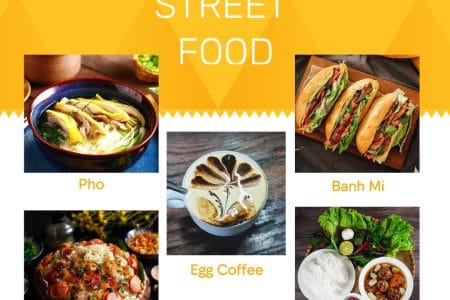
Num Pang is Cambodia’s version of the Banh Mi, featuring a crispy baguette filled with a variety of savory meats, pickled vegetables, chili sauce, and fresh herbs. Popular variations include grilled pork, chicken, or pâté. It’s a quick and satisfying street food, perfect for refueling before or after exploring Angkor.
Kralan is a traditional Cambodian sticky rice snack, made by stuffing glutinous rice, black beans, and grated coconut inside a hollow bamboo tube and slow-cooking it over an open flame. This results in a sweet, slightly smoky flavor with a chewy texture. It’s a popular street food and a great on-the-go snack while exploring Angkor.
A visit to the Angkor Complex is not just a journey through ancient history, but also an opportunity to savor the unique flavors of Khmer cuisine. Whether you’re enjoying a steamed Fish Amok, indulging in a hearty Lok Lak, or grabbing a quick Num Pang sandwich, each dish provides a taste of Cambodia’s rich culinary heritage. Don’t miss out on these delicious and authentic foods during your trip to Angkor!
Conclusion
Angkor Complex is an unmissable destination in Cambodia, offering stunning temples, rich history, and delicious local food. Whether you’re exploring Angkor Wat at sunrise, wandering through jungle-covered ruins, or enjoying authentic Khmer cuisine, this iconic site promises a truly unforgettable experience.