Introduction
Hue, the ancient imperial capital of Vietnam, is a city brimming with charm, history, and cultural significance. Located in central Vietnam, Hue is famed for its majestic architecture, scenic beauty along the Perfume River, and its role as a UNESCO World Heritage Site. The city offers a glimpse into Vietnam’s royal past through its ancient citadel, royal tombs, and pagodas. Known for its serenity, delectable cuisine, and warm locals, Hue is a must-visit destination for those seeking a deeper connection with Vietnam’s heritage.
Weather in Hue
Hue experiences a tropical monsoon climate, marked by two main seasons:
How to Get to Hue
Getting to Hue is convenient with several transportation options:
By Plane:
- Phu Bai International Airport is just 15 km from the city center. It offers domestic flights from Hanoi, Ho Chi Minh City, and Da Nang, as well as some international flights.
- From the airport, taxis and shuttle buses are readily available.
By Train:
- The Reunification Express connects Hue to major cities like Hanoi and Ho Chi Minh City. The journey offers scenic views, especially on the Hai Van Pass stretch.
- Soft sleeper or hard seat options are available depending on your budget.
By Bus:
- Sleeper and express buses operate daily between Huế and neighboring cities such as Da Nang and Hoi An. These are affordable and comfortable options for travelers.
By Private Car:
- Hiring a private car or taxi is ideal for those traveling from Da Nang or Hoi An, providing flexibility to stop at scenic spots like the Hai Van Pass or Lang Co Beach along the way.
Attractions in Hue
Hue, Vietnam’s former imperial capital, is a treasure trove of historical landmarks, cultural sites, and natural beauty. Each attraction reflects the grandeur of its royal past, the spirituality of its people, and the charm of its serene environment. Here are the must-visit attractions in Hue:
1. The Imperial City (Citadel)
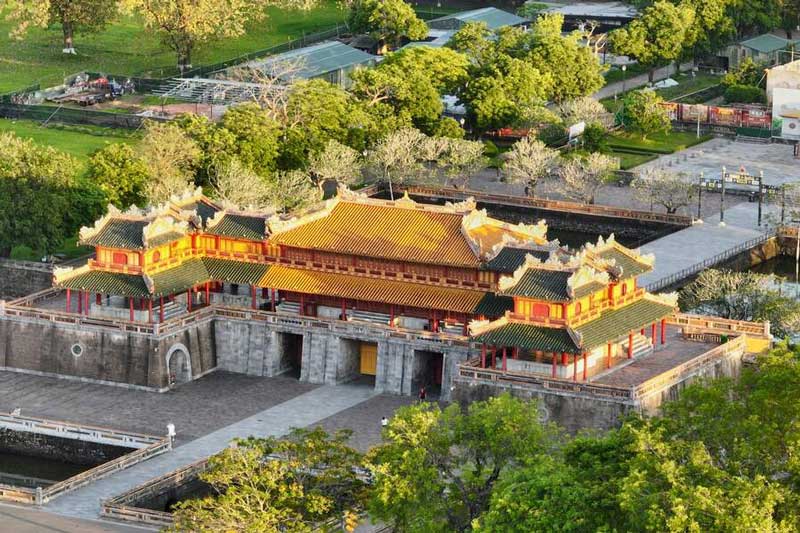
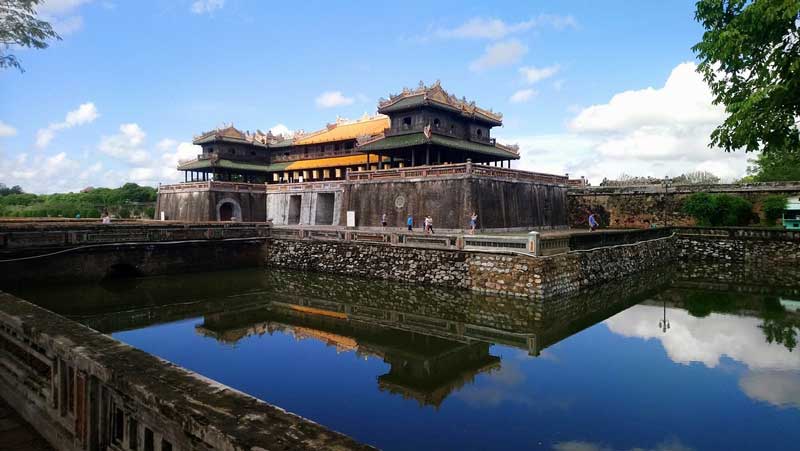
- Overview: A UNESCO World Heritage Site and the heart of Hue’s historic appeal, the Imperial City was the political and cultural center of the Nguyen Dynasty. Built in the early 19th century, the citadel is a sprawling complex enclosed by 10 km of walls and surrounded by a moat.
- Key Highlights:
- Ngo Mon Gate (Noon Gate): The grand entrance to the Imperial City, featuring intricate carvings and symbolic architecture.
- Thai Hoa Palace: The ceremonial hall where emperors held court. Its stunning wooden architecture and dragon motifs symbolize power and authority.
- Forbidden Purple City: Once the private quarters of the emperor, this area was exclusive to the royal family and concubines.
- Tips: Allocate at least 3–4 hours to explore. Wear comfortable shoes, as the site is vast and involves walking.
2. Thien Mu Pagoda
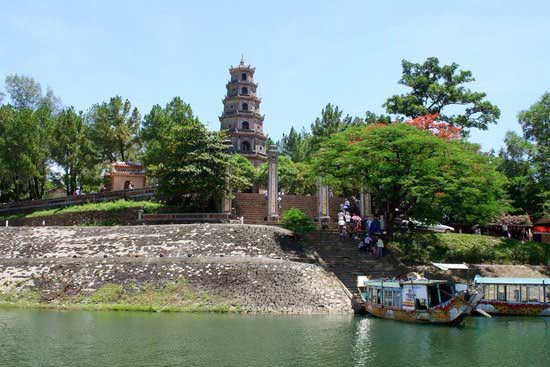
- Overview: Standing on Ha Khe Hill overlooking the Perfume River, Thien Mu Pagoda is one of the oldest and most iconic religious sites in Vietnam. Its name, meaning “Heavenly Lady,” is tied to local legends.
- Key Features:
- Phuoc Duyen Tower: A seven-story pagoda symbolizing Huế. Each level is dedicated to a different Buddha.
- The Austin Car: The car used by Thich Quang Duc, a monk who self-immolated in Saigon in 1963 to protest religious persecution, is displayed here.
- Tranquil Gardens: Ideal for meditation and enjoying the peaceful atmosphere.
- Best Time to Visit: Morning or late afternoon to avoid crowds and capture beautiful photos.
3. Royal Tombs of the Nguyen Emperors
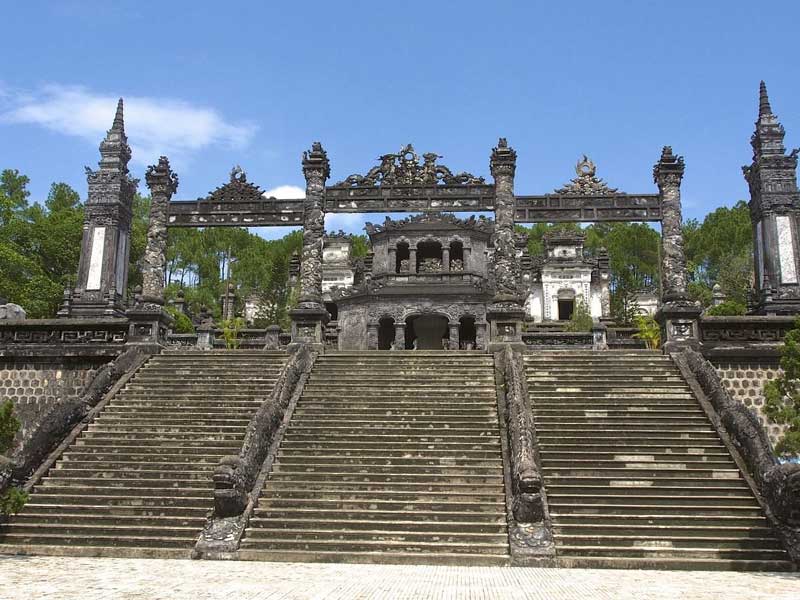
Huế is home to the elaborate tombs of the Nguyen emperors, each reflecting the ruler’s personality, philosophy, and vision.
4. Perfume River (Sông Hương)
- Overview: The Perfume River flows gracefully through Hue, adding to the city’s poetic charm. Its name derives from the fragrant flowers that fall into the water during autumn.
- Activities:
- Boat Cruises: Take a leisurely boat ride to explore major attractions along the river, such as Thien Mu Pagoda and Hon Chen Temple.
- Sunset Viewing: The river is particularly enchanting at sunset, with golden hues reflecting on the water.
- Local Tip: Try a dragon boat tour to enjoy traditional Vietnamese music performances while cruising.
5. Dong Ba Market
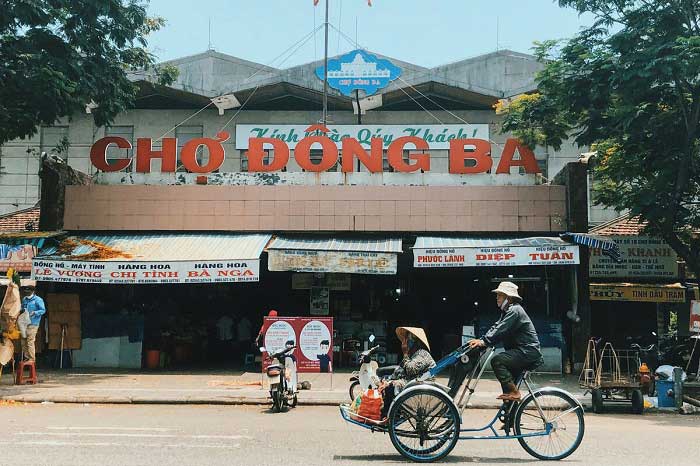
- Overview: As Hue’s largest market, Dong Ba Market is a bustling hub of local life. It offers everything from traditional handicrafts to local delicacies.
- What to See and Do:
- Shopping: Pick up souvenirs like conical hats, silk fabrics, and handmade lanterns.
- Food: Sample local treats like Banh Beo (steamed rice cakes) and Che Hue (sweet soups).
- Tips: Bargaining is expected here, so don’t hesitate to negotiate prices.
6. Hon Chen Temple
- Overview: A sacred site dedicated to the goddess Po Nagar, Hon Chen Temple is an important religious and cultural landmark. Located on Ngoc Tran Mountain, it offers stunning views of the Perfume River.
- Best Time to Visit: During the biannual Hon Chen Festival in March and August, when colorful ceremonies and processions are held.
7. Huong River Bridge (Truong Tien Bridge)
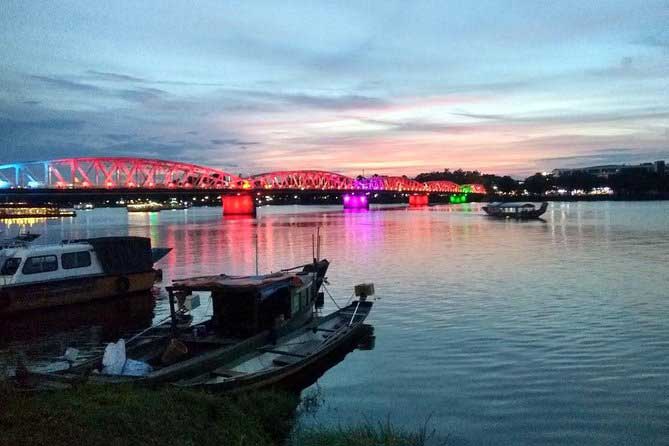
- Overview: Designed by Gustave Eiffel, this iconic bridge connects both sides of Huế and is illuminated with colorful lights at night.
- Experience: Take a stroll across the bridge in the evening to enjoy the lively atmosphere and scenic views.
8. An Dinh Palace
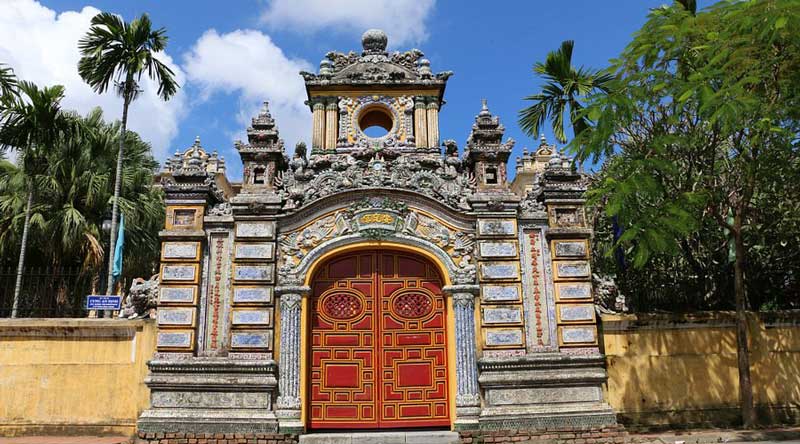
- Overview: A lesser-known gem, this opulent residence was once home to Emperor Bao Dai, the last ruler of Vietnam.
- Highlights: The intricate European-style architecture and murals depicting scenes of imperial life.
Hue Specialties: A Culinary Journey Through Royal Flavors
Hue is renowned for its exquisite cuisine, a reflection of its royal heritage and cultural diversity. From street food to imperial dishes, Hue’s specialties offer a symphony of flavors that captivate every palate. Here’s a detailed look at the must-try dishes in Huế:
1. Bun Bo Hue (Beef Noodle Soup)
- Description:
This hearty and flavorful soup is a Hue specialty. It features thick rice noodles, tender slices of beef, pork hock, and sometimes blood pudding, all immersed in a lemongrass-infused broth. The dish is spiced with chili oil and garnished with lime, herbs, and bean sprouts. - Why It’s Special:
The broth’s depth of flavor comes from hours of simmering bones, lemongrass, and shrimp paste, making it uniquely rich and aromatic. - Price: $1.50–$2.50 per bowl.
2. Cơm Hến (Clam Rice)
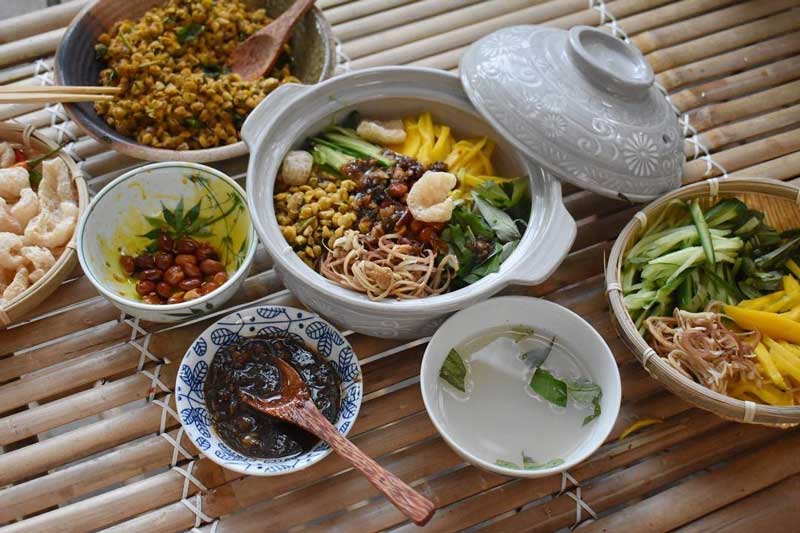
- Description:
A humble yet iconic dish, Cơm Hến is made from steamed rice topped with tiny clams, crispy pork rinds, roasted peanuts, herbs, and chili paste. It’s often served with a side of clam broth. - Why It’s Special:
Originating from Con Hen (Hen Islet) on the Perfume River, this dish embodies the resourcefulness of Huế’s people, combining simple ingredients into a flavorful delight. - Price: $1–$2 per serving.
3. Bánh Bèo (Steamed Rice Cakes)
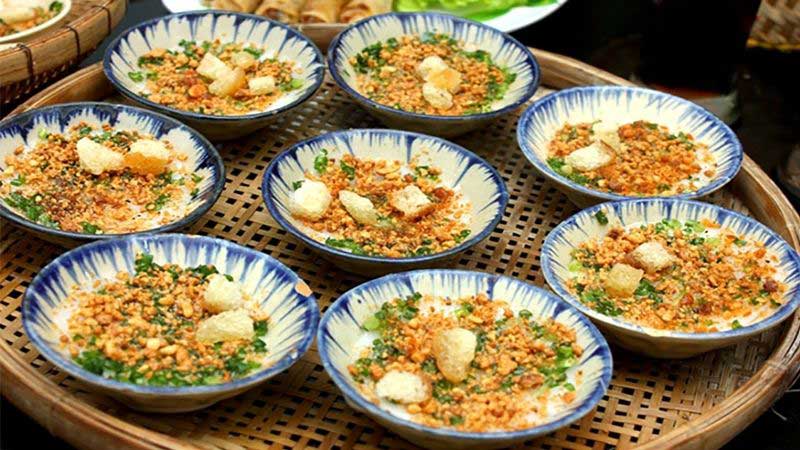
- Description:
Small, delicate rice cakes are steamed in tiny bowls and topped with minced shrimp, crispy pork skin, scallions, and a drizzle of fish sauce. - Why It’s Special:
Known for its light and refined taste, Bánh Bèo is a favorite snack among locals and tourists alike. Its name, meaning “water fern,” reflects the dish’s soft and delicate texture. - Price: $1–$2 per plate.
4. Bánh Khoái (Hue Pancakes)
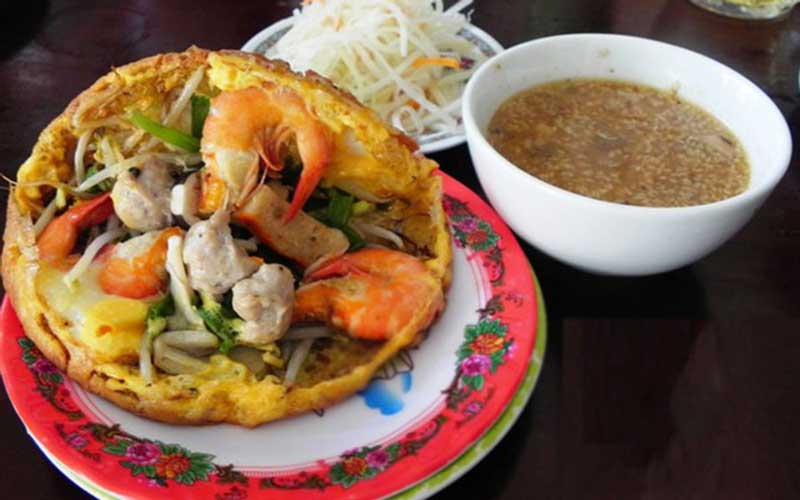
- Description:
These crispy pancakes are made from rice flour and turmeric batter, filled with shrimp, pork, and bean sprouts, and served with a rich peanut dipping sauce. - Why It’s Special:
Similar to Bánh Xèo but smaller and crispier, Bánh Khoái embodies Huế’s knack for turning everyday ingredients into royal-worthy dishes. - Price: $2–$3 per serving.
5. Nem Lụi (Grilled Pork Skewers)
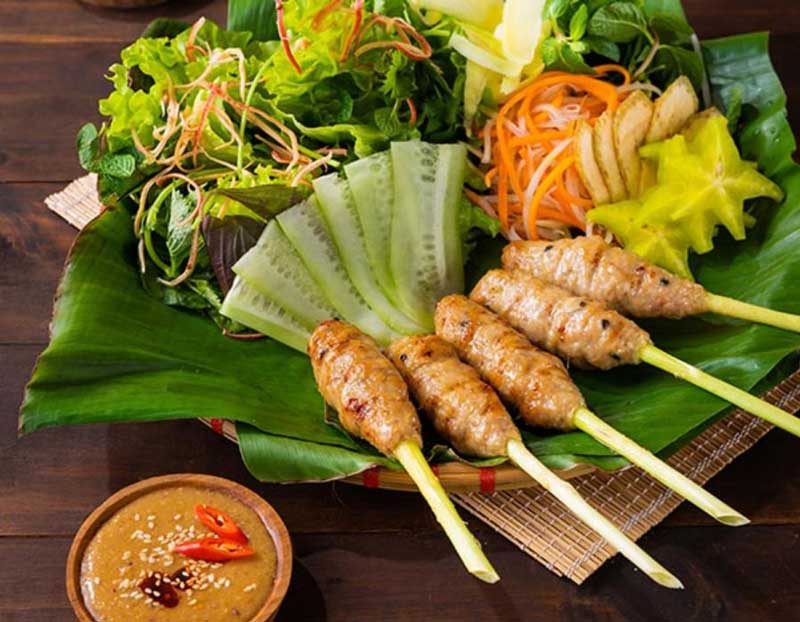
- Description:
Minced pork is marinated with lemongrass and spices, shaped onto lemongrass stalks, and grilled over charcoal. It’s served with rice paper, fresh herbs, and a rich peanut sauce for dipping. - Why It’s Special:
The combination of smoky, savory pork and fresh herbs creates a perfect balance of flavors and textures. - Price: $2–$3 per set.
6. Che Hue (Hue Sweet Soup)
- Description:
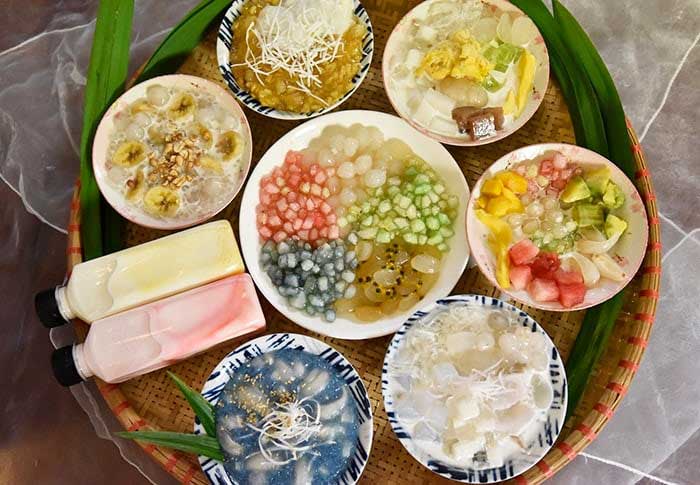
A popular dessert, Chè Huế includes a variety of sweet soups made with ingredients like mung beans, lotus seeds, tapioca pearls, and coconut milk. Each type of Chè has its unique flavor and texture. - Why It’s Special:
The desserts are light, refreshing, and often beautifully presented, making them a perfect way to end a meal. - Price: $0.50–$1 per cup.
7. Sour Fermented Shrimp Paste
- Description:
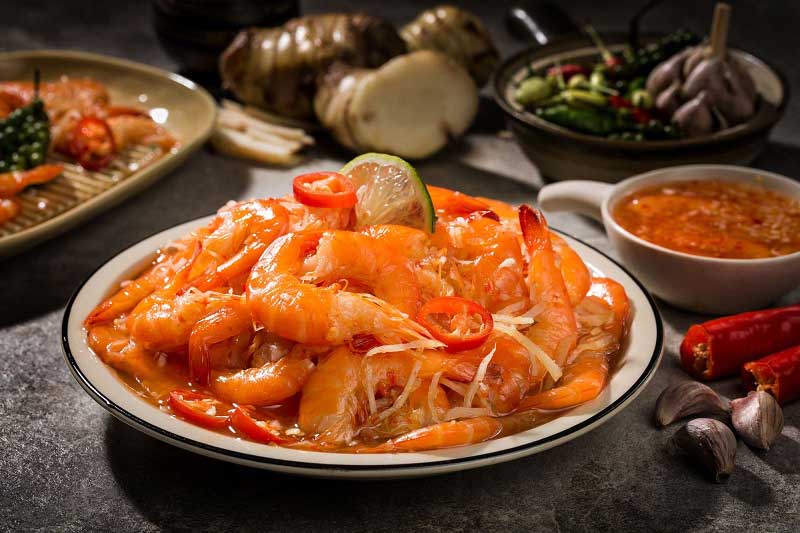
Sour fermented shrimp paste, or Mắm Tôm Chua, is a staple in Huế cuisine. Made from shrimp fermented with galangal, garlic, and chili, it has a tangy, spicy flavor. It is often served as a dipping sauce or accompaniment to dishes like boiled pork and fresh vegetables. - Why It’s Special:
This fermented condiment is a testament to Huế’s culinary creativity and its love for bold, complex flavors. - Price: $3–$5 for a small jar.
8. Bánh Bột Lọc (Tapioca Dumplings)
- Description:
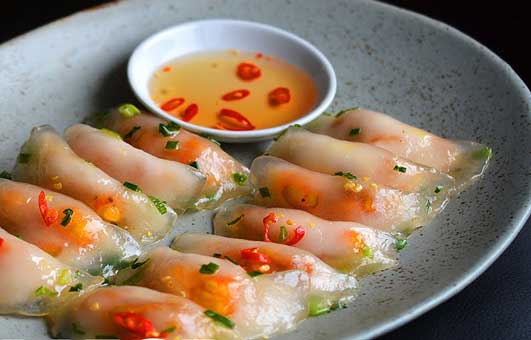
These translucent dumplings are made from tapioca flour and stuffed with shrimp and pork. They are steamed or boiled and served with a sweet and savory fish sauce. - Why It’s Special:
The chewy texture of the tapioca dough paired with the flavorful filling creates a delightful bite-sized snack. - Price: $1–$2 per plate.
Price in Hue: A Budget-Friendly Destination
Hue is known for its affordability, making it an ideal destination for travelers seeking rich cultural experiences without breaking the bank. Here’s a detailed breakdown of typical costs to help you plan your trip:
1. Accommodation
Hue offers a variety of accommodation options, ranging from budget hostels to luxurious riverside resorts.
- Budget Hostels: $5–$10 per night. Perfect for backpackers and solo travelers.
- Mid-Range Hotels: $20–$50 per night. Includes comfortable rooms, often with breakfast.
- Luxury Resorts: $70–$150+ per night. Offers premium services, spa facilities, and breathtaking views of the Perfume River or nearby countryside.
2. Food and Dining
Hue’s local cuisine is both delicious and inexpensive. Whether you dine at street stalls or local restaurants, you’ll find great value for money.
- Street Food: $1–$3 per dish. Try specialties like Bún Bò Huế, Cơm Hến, and Bánh Bèo.
- Local Restaurants: $5–$10 per meal. Enjoy traditional meals with a wider selection of dishes.
- Fine Dining: $20–$50+ per meal. Ideal for those looking to experience Huế’s imperial-inspired cuisine in an upscale setting.
3. Transportation
Getting around Hue is easy and budget-friendly.
- Bicycle Rental: $1–$2 per day. Great for exploring the city and nearby countryside.
- Motorbike Rental: $5–$10 per day. A flexible way to visit attractions at your own pace.
- Taxi/Grab: $1–$2 for short trips within the city; $10–$15 for longer trips to tombs or beaches.
- Cyclo Rides: $3–$5 for a relaxing tour around the city’s main attractions.
4. Attractions and Activities
Most of Hue’s historical and cultural sites are affordable to visit.
- Imperial City (Citadel): $7–$10 for a ticket, including access to select royal tombs.
- Thien Mu Pagoda: Free entry, though donations are appreciated.
- Royal Tombs: $3–$5 per tomb, or a combination ticket for $12–$15.
- Boat Cruise on the Perfume River: $10–$15 for a group tour or private charter.
5. Shopping and Souvenirs
Hue’s markets and shops offer unique and affordable souvenirs.
- Local Crafts: $5–$10 for items like conical hats, silk scarves, or handmade lanterns.
- Specialty Foods: $3–$5 for a jar of fermented shrimp paste or a bag of local snacks.
6. Total Daily Budget
- Budget Travelers: $20–$30 per day. Covers basic accommodation, street food, and simple transportation.
- Mid-Range Travelers: $50–$80 per day. Includes comfortable lodging, meals at restaurants, and entry to attractions.
- Luxury Travelers: $100–$200+ per day. Allows for premium stays, fine dining, and private tours.
Conclusion
Hue captures the essence of Vietnam’s cultural and historical heritage. From its stunning Imperial City and tranquil Perfume River to its flavorful royal-inspired cuisine, the city is a feast for the senses. Affordable, scenic, and brimming with character, Hue is a destination that promises a unique and enriching experience for all who visit.