Kampong Thom, Cambodia: A Hidden Gem Between Siem Reap and Phnom Penh

Introduction

Kampong Thom is a hidden gem in central Cambodia, located between Phnom Penh and Siem Reap. This charming province is often overlooked by travelers rushing between the two cities, but those who take the time to explore Kampong Thom will be rewarded with stunning landscapes, ancient temples, and a glimpse into authentic Khmer culture.

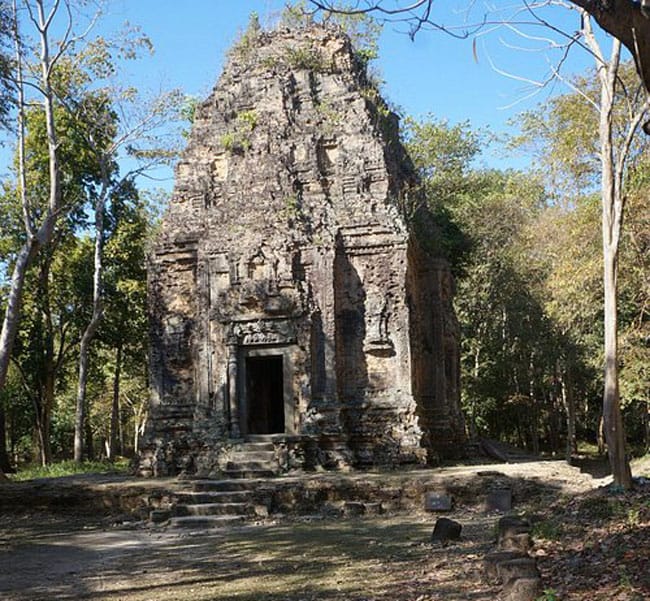
The province is best known for Sambor Prei Kuk, a UNESCO-listed temple complex that dates back to the pre-Angkorian Chenla Kingdom. With its overgrown jungle setting and intricate brick temples, this site offers a fascinating journey into Cambodia’s past, without the crowds of Angkor Wat. Beyond its historical treasures, Kampong Thom boasts scenic lakes, lush forests, and vibrant local markets, making it an ideal destination for nature lovers and culture enthusiasts alike.

Kampong Thom is also home to the Stung Sen River, which winds through the province, supporting local fishing communities and rich biodiversity. Visitors can explore floating villages, tranquil pagodas, and traditional Khmer villages, where they can experience Cambodia’s rural lifestyle firsthand.

Whether you’re a history buff, adventure seeker, or food lover, Kampong Thom has something special to offer. Its peaceful atmosphere, friendly locals, and diverse attractions make it a perfect stop for those looking to experience Cambodia beyond the usual tourist spots.
Kampong Thom


How to Get to Kampong Thom

Kampong Thom is easily accessible from major Cambodian cities:

  • From Phnom Penh: Buses and minivans take about 3.5–4 hours and cost between $6–$12. Private taxis cost around $50–$70.
  • From Siem Reap: The journey takes 2.5–3 hours by bus or minivan, with prices ranging from $5–$10. Private taxis cost around $40–$60.
  • By Motorbike: Adventurous travelers can rent a motorbike in Phnom Penh or Siem Reap and enjoy a scenic ride through Cambodia’s countryside.

The Best Time to Visit Kampong Thom

The best time to visit depends on the experience you seek:

  • Dry Season (November–April): Ideal for temple visits, trekking, and sightseeing with clear skies and comfortable temperatures.
  • Wet Season (May–October): The countryside turns lush and green, and Tonle Sap River fills up, making boat trips possible. However, some roads may become muddy.

Things to Do in Kampong Thom

Kampong Thom is filled with historical landmarks, natural wonders, and cultural experiences. Here are five must-visit destinations in this fascinating province:


1. Explore Sambor Prei Kuk – The Ancient Chenla Capital

Sambor Prei Kuk is one of Cambodia’s most significant archaeological sites, dating back to the 7th century during the Chenla Kingdom. This UNESCO-listed temple complex consists of over 100 temples, many of which are covered by massive tree roots, creating an almost mystical atmosphere.

Visitors can walk through the three main temple groups – Prasat Sambor, Prasat Yeay Poan, and Prasat Tor – each showcasing intricate brick carvings and unique architectural styles that predate Angkor Wat. The site is surrounded by dense jungle, peaceful trails, and scattered ruins, making it an ideal place for history lovers and photographers.

  • Best time to visit: Early morning or late afternoon for cooler weather and beautiful lighting.
  • Entry fee: Around $10 per person.
  • How to get there: About 30 km north of Kampong Thom town; you can hire a tuk-tuk or motorbike for $10–$20 round trip.

2. Visit Phnom Santuk – A Sacred Mountain with Stunning Views

Phnom Santuk is the most famous pilgrimage site in Kampong Thom, offering breathtaking panoramic views from the top. To reach the summit, visitors must climb 809 stone steps, passing by Buddhist statues, ancient carvings, and small pagodas along the way.

At the peak, you’ll find a reclining Buddha statue, colorful shrines, and a peaceful atmosphere. The surrounding forest and hilltop breeze provide a refreshing escape from the heat, making it a perfect spot to relax and enjoy nature.
  • Best time to visit: Early morning or late afternoon to avoid the heat.
  • Entry fee: Free, but donations are appreciated.
  • How to get there: Located 17 km south of Kampong Thom town; tuk-tuks charge $5–$10 round trip.

3. Discover Prey Pros Lake – A Scenic Relaxation Spot

Kampong Thom

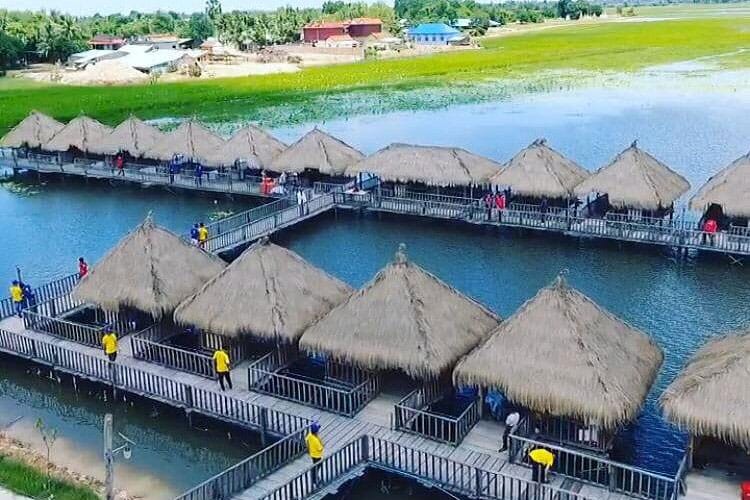
Prey Pros Lake is a beautiful freshwater lake just outside Kampong Thom town, offering a peaceful retreat for visitors. The lake is surrounded by bamboo huts on stilts, where locals and tourists can enjoy grilled seafood, fresh coconut water, and traditional Khmer dishes while relaxing over the water.

The area is also popular for boating, fishing, and swimming, making it a great place for families and nature lovers. In the late afternoon, stunning sunsets reflect over the calm waters, creating a perfect photo opportunity.

  • Best time to visit: Late afternoon for sunset views.
  • Entry fee: Free, but renting a hut costs around $3–$5.
  • How to get there: Just 5 km west of Kampong Thom town, easily accessible by tuk-tuk or bicycle.

4. Experience Khmer Culture at Kampong Thom Market

For those who want to experience authentic Khmer culture, a visit to Kampong Thom Market is a must. This bustling market offers fresh fruits, vegetables, meats, and seafood, along with handmade crafts, traditional clothing, and local street food.

Visitors can try grilled insects, num banh chok (Khmer noodles), and fresh tropical fruits while interacting with friendly vendors. It’s a great place to buy souvenirs, taste local delicacies, and witness the daily life of Cambodians.
  • Best time to visit: Morning, when the market is most active.
  • Entry fee: Free.
  • How to get there: Located in the center of Kampong Thom town, easily accessible on foot or by tuk-tuk.

5. Visit Wat Kampong Thom – A Historic Buddhist Temple

Kampong Thom

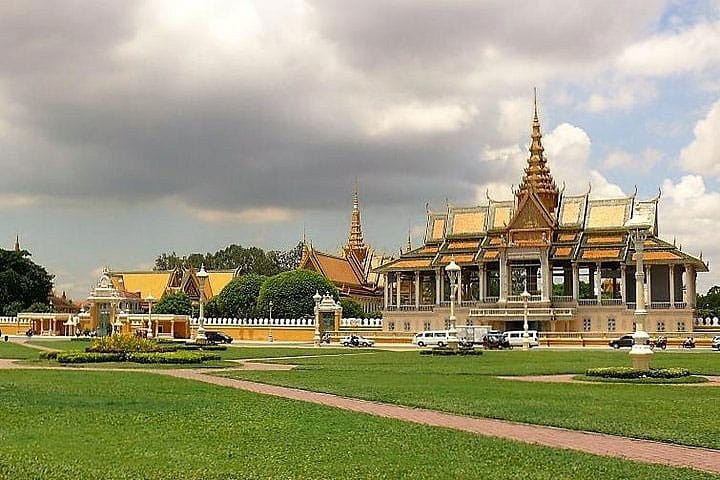
Wat Kampong Thom is one of the oldest and most significant temples in the province. The temple features intricately designed murals, golden Buddha statues, and a peaceful courtyard. It serves as a spiritual hub for locals, where monks perform daily prayers and ceremonies.

The temple’s traditional Khmer architecture and serene environment make it a great place for those interested in Buddhism and Cambodian culture. Visitors are encouraged to observe Buddhist rituals, make offerings, or simply enjoy the tranquility of the temple grounds.

  • Best time to visit: Morning or evening when monks are chanting.
  • Entry fee: Free, but donations are appreciated.
  • How to get there: Located in Kampong Thom town, easily accessible by tuk-tuk or on foot.

Final Thoughts

Kampong Thom is a province full of history, natural beauty, and cultural experiences. From the ancient temples of Sambor Prei Kuk to the scenic views of Phnom Santuk and the lively atmosphere of local markets, this destination offers something for every traveler. Whether you’re looking for adventure, relaxation, or a deep dive into Cambodia’s heritage, Kampong Thom is a must-visit on your journey through the country.


Things to Eat in Kampong Thom

Kampong Thom offers a rich variety of traditional Khmer dishes that highlight the region’s fresh ingredients and authentic flavors. Here are five must-try dishes when visiting this province:


1. Samlor Korko (Traditional Cambodian Stirring Soup)

Samlor Korko is one of Cambodia’s most traditional and flavorful soups, often referred to as a “stirring soup” because it requires constant stirring while cooking. This dish is made with fish or pork, mixed vegetables, green papaya, and prahok (fermented fish paste), giving it a unique, earthy taste.

Local chefs enhance the soup’s flavor with lemongrass, kaffir lime leaves, turmeric, and bitter melon, creating a rich and aromatic dish. The combination of fresh herbs and slow-cooked broth makes it a hearty and satisfying meal, often served with steamed rice.

  • Where to try it: Local family-run restaurants and traditional eateries in Kampong Thom.
  • Best time to eat: Lunch or dinner.

2. Num Banh Chok Kampong Thom (Khmer Noodles with Fish Curry)

Prey-Veng

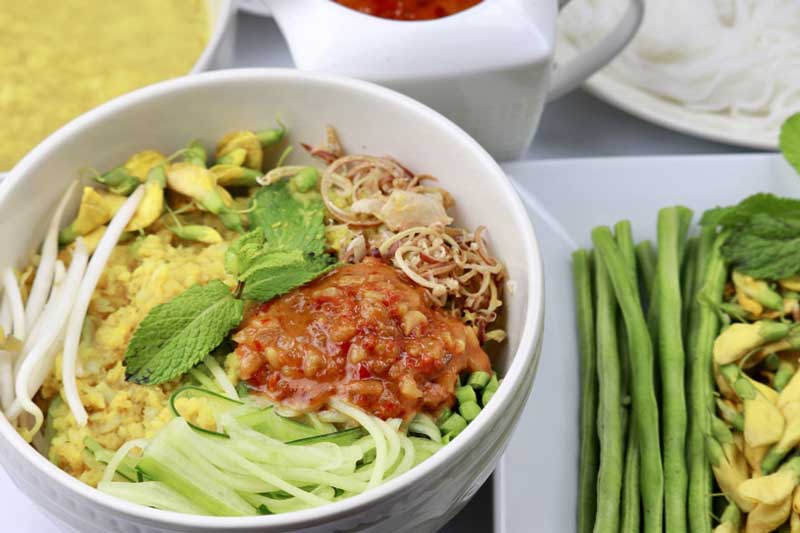
Num Banh Chok, or Khmer noodles, is a famous Cambodian breakfast dish that differs slightly in each region. In Kampong Thom, this dish features handmade rice noodles topped with a light fish curry sauce, fresh vegetables, banana blossoms, and herbs.

What makes Num Banh Chok Kampong Thom special is its smooth, aromatic fish broth, which is simmered with lemongrass, turmeric, and coconut milk for a mild yet flavorful taste. The dish is often served with a side of fresh bean sprouts, cucumbers, and herbs, adding a refreshing crunch.

  • Where to try it: Street vendors and noodle shops in Kampong Thom town.
  • Best time to eat: Breakfast.

3. Trey Chha Kdam (Stir-fried Freshwater Fish with Pepper and Basil)

Kampong Thom, being near Tonle Sap Lake, has an abundance of freshwater fish, making seafood dishes incredibly popular. Trey Chha Kdam is a dish made with fresh fish, stir-fried with Kampot pepper, garlic, and holy basil, creating a perfect blend of spiciness and fragrance.

The fish is lightly crispy on the outside and tender on the inside, absorbing the bold flavors of the pepper sauce and aromatic herbs. This dish is typically served with steamed rice and a dipping sauce made from fish sauce, lime, and chili.

  • Where to try it: Local seafood restaurants and floating eateries near Tonle Sap Lake.
  • Best time to eat: Lunch or dinner.

4. Bai Sach Chrouk (Grilled Pork with Rice)

Kampong Thom

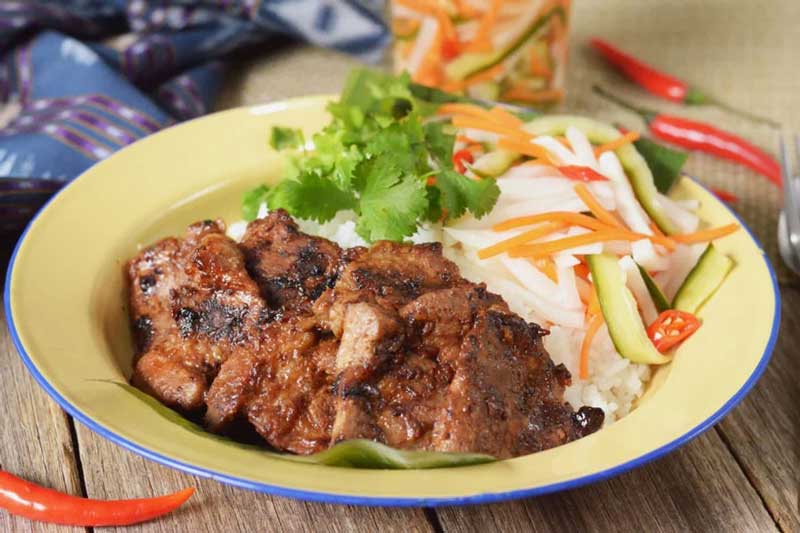
Bai Sach Chrouk is one of Cambodia’s most beloved breakfast dishes, and in Kampong Thom, it is cooked with a unique local twist. The pork is thinly sliced, marinated in coconut milk, garlic, and palm sugar, then grilled over charcoal, giving it a smoky and slightly sweet flavor.

This dish is served with fragrant broken rice, a side of pickled vegetables, and a bowl of light chicken broth. Locals enjoy it with iced coffee or fresh sugarcane juice, making it a perfect meal to start the day.

  • Where to try it: Street food stalls and local markets in Kampong Thom.
  • Best time to eat: Breakfast.

5. Kralan (Bamboo Sticky Rice Cake)

Kralan is a popular Cambodian street snack, made with sticky rice, black beans, grated coconut, and coconut milk, all packed inside a bamboo tube and slowly roasted over an open flame.

The slow cooking process gives Kralan a slightly crispy outer layer, while the inside remains soft, sticky, and naturally sweet. It is a perfect on-the-go snack or a delicious treat after a meal.

  • Where to try it: Street vendors along National Road 6 or local markets in Kampong Thom.
  • Best time to eat: Anytime as a snack or dessert.

Takeo


Final Thoughts

Kampong Thom is not only rich in history and natural beauty but also in traditional Khmer flavors. From savory soups and fresh seafood to delicious grilled meats and sweet sticky rice treats, the province offers authentic Cambodian cuisine that should not be missed. Whether you are a food lover or just exploring local flavors, these dishes will give you a true taste of Kampong Thom’s culinary culture.


Some Tips for Visiting Kampong Thom

  • Start your temple tours early to avoid the midday heat.
  • Bring cash as ATMs are limited in remote areas.
  • Dress modestly when visiting temples and religious sites.
  • Negotiate prices for tuk-tuks and private transport.
  • Respect local customs and interact with villagers kindly.

Estimated Travel Costs

  • Transportation: Bus: $5–$12 | Taxi: $40–$70
  • Accommodation: Budget hotels: $10–$20 | Mid-range hotels: $30–$50
  • Food: Local meals: $2–$6 | Restaurant meals: $5–$15
  • Entrance Fees: Sambor Prei Kuk: $10 | Phnom Santuk: Free

Kampong Thom is a hidden treasure in Cambodia, offering rich history, stunning landscapes, and authentic Khmer culture. Whether you’re a history buff, nature enthusiast, or foodie, this province has something for everyone!

Hanoi Map

Travel theme in Vietnam

Best Excursions

Hanoi Travel Guide

Hanoi Street Food: Must-Try Dishes and Top Spots to Enjoy

Hanoi, the capital of Vietnam, is famous for its rich culinary heritage. Its vibrant street food culture offers a tantalizing array of dishes, each with unique flavors and deep cultural roots. From savory noodles to sweet treats, Hanoi street food promises an unforgettable experience. Here’s a guide to must-try dishes, along with popular places to […]

Bun Cha Hanoi: Everything You Need to Know Before Tasting

Bun Cha Hanoi is a traditional Vietnamese dish that holds a special place in the heart of Hanoi’s culinary culture. Known for its irresistible aroma of grilled pork, soft rice noodles, savory dipping sauce, and fresh herbs, this dish has captured the attention of food lovers globally. Its rise to international fame was further solidified […]

8 Best Bars in Hanoi for an Unforgettable Night Out

Hanoi, the capital of Vietnam, is not only famous for its rich history and vibrant street food scene but also for its diverse and exciting nightlife. From chic rooftop bars with panoramic city views to lively nightclubs and sophisticated jazz lounges, the city has something for everyone. Here’s a guide to the 8 best bars […]

Introduction

Nestled in the misty mountains of Vietnam’s Lao Cai Province, Sapa is a charming town known for its stunning landscapes, terraced rice fields, and vibrant ethnic cultures. Located at an elevation of 1,600 meters above sea level, Sapa offers visitors a cool, fresh climate and breathtaking views of mountains and valleys.

Sapa is not just a paradise for nature lovers but also a cultural treasure trove, home to ethnic minorities such as the H’Mong, Dao, Tay, and Giay people. With its mix of natural beauty, cultural diversity, and adventure opportunities, Sapa is an ideal destination for any traveler.


History of Sapa

The history of Sapa is as fascinating as its scenery, blending ancient traditions with colonial influences:

  • Ancient Origins: The region around Sapa has been inhabited for centuries by various ethnic groups who developed unique customs, architecture, and agricultural practices, especially the iconic terraced rice fields.
  • French Colonial Influence: In the early 1900s, French explorers discovered Sapa and recognized its potential as a mountain retreat. By 1922, Sapa had developed into a hill station for French officials, complete with villas, a church, and roads.
  • Modern Development: After Vietnam’s independence, Sapa retained its charm while growing into a popular tourist destination, balancing modern amenities with its cultural and natural heritage.

Weather in Sapa

Sapa is known for its unique climate, offering a refreshing escape from Vietnam’s tropical heat:

  • Spring (March–May): With temperatures ranging from 15°C to 20°C, spring is ideal for trekking and enjoying blooming flowers across the mountains and valleys.
  • Summer (June–August): Warm weather with temperatures between 20°C and 25°C makes it perfect for exploring the terraced fields, though occasional rains make the scenery lush and green.
  • Autumn (September–November): This is the harvest season, where the rice fields turn golden. The weather is cool, with temperatures between 15°C and 20°C, offering clear skies for photography.
  • Winter (December–February): Sapa experiences cold winters, with temperatures dropping to 0°C or even below. Frost and occasional snow give the landscape a magical, misty appearance.

How to Get to Sapa

Sapa is easily accessible, with several convenient options:

1. By Train

  • Take an overnight train from Hanoi to Lao Cai. Trains typically offer comfortable sleeper cabins, making it an efficient and enjoyable journey.
  • From Lao Cai, a bus or taxi ride (approximately 1 hour) takes you to Sapa.

2. By Bus

  • Luxury sleeper buses and express buses run daily from Hanoi to Sapa. The journey takes around 5–6 hours, with options for reclining seats or beds for comfort.
  • Buses are budget-friendly and depart from multiple locations in Hanoi.

3. By Private Car or Motorbike

  • For greater flexibility, travelers can hire a private car or drive a motorbike from Hanoi. The highway route offers stunning scenery, and the drive takes about 5 hours.
  • Motorbike riders should be experienced, as the mountainous roads can be challenging.

Things to See in Sapa

Sapa offers a blend of natural wonders and cultural landmarks, making it a diverse destination:

1. Fansipan – The Roof of Indochina

Standing at 3,147 meters above sea level, Fansipan is the highest peak in Vietnam and Indochina.

  • Adventurers can trek to the summit through scenic trails, encountering lush forests and breathtaking views along the way.
  • For a more relaxed experience, the Fansipan cable car provides a 15-minute ride to near the peak, with panoramic views of the Hoang Lien Son mountain range.

2. Muong Hoa Valley

This stunning valley is home to terraced rice fields and ethnic villages, offering visitors a glimpse into rural life.

  • Trekking through Muong Hoa Valley allows travelers to explore its natural beauty and interact with the H’Mong and Dao people.
  • The ancient rock field in the valley features mysterious carvings that add an archaeological element to the experience.

3. Sapa Stone Church

Located in the heart of Sapa town, the Stone Church is an iconic remnant of the French colonial period.

  • Its Gothic architecture, complete with a bell tower and stone walls, is a favorite spot for photography.
  • The church often serves as a gathering place for local ethnic people, especially during traditional festivals.

4. Cat Cat Village

Just a short walk from Sapa town, Cat Cat Village offers a blend of traditional culture and natural beauty.

  • Visitors can see local handicrafts being made, watch traditional dance performances, and learn about the customs of the H’Mong people.
  • The village is surrounded by terraced fields and small waterfalls, adding to its charm.

5. Silver Waterfall

Silver Waterfall, or Thác Bạc, is a majestic cascade located 12 km from Sapa town.

  • The waterfall tumbles down from a height of over 200 meters, surrounded by lush green forests.
  • Visitors can climb to the top for sweeping views of the surrounding mountains.

Local Specialties of Sapa

Sapa’s culinary scene reflects the rich cultural diversity of its ethnic groups, offering a wide variety of traditional dishes that highlight the region’s unique ingredients and cooking methods. These local specialties are a must-try for any traveler looking to immerse themselves in the authentic flavors of Sapa.


1. Thang Co

Thang Co is a signature dish of the H’Mong people and one of the most famous traditional foods in Sapa.

  • Ingredients: It is made using horse meat, bones, and organs, combined with local herbs and spices such as cardamom, ginger, and lemongrass.
  • Preparation: Traditionally cooked in a large pan over an open fire, Thang Co requires slow cooking to create a rich, flavorful broth.
  • Experience: The dish is often enjoyed at local markets or communal gatherings, where it’s served with corn wine. Trying Thang Co is not just a culinary experience but also a cultural one, as it is closely tied to the traditions of the H’Mong people.

2. Dried Buffalo Meat (Thịt Trâu Gác Bếp)

This delicacy is a favorite snack and souvenir from Sapa, offering a smoky and chewy texture with a distinctive flavor.

  • Ingredients: Buffalo meat is marinated with salt, chili, garlic, and special spices before being hung above a wood fire to dry.
  • Flavor Profile: The result is a savory, slightly spicy, and aromatic treat with hints of smokiness.
  • Serving Suggestions: Often paired with beer or wine, dried buffalo meat is perfect for sharing with friends or as a snack during trekking adventures.

3. H’Mong Apple Wine (Rượu Táo Mèo)

This traditional alcoholic beverage is both a drink and a cultural experience.

  • Ingredients: Made from the sour apples grown in the mountains of Sapa, the wine has a sweet and tangy taste.
  • Health Benefits: Locals believe the wine has medicinal properties, such as aiding digestion and improving circulation.
  • Occasions: H’Mong Apple Wine is often served during festivals, celebrations, or shared with guests as a gesture of hospitality. It’s also a popular souvenir for visitors.

4. Men Men

Men Men is a simple yet hearty dish made from corn, reflecting the agricultural practices of the H’Mong people.

  • Preparation: The corn is finely ground into a powder, mixed with water, and steamed multiple times until soft and fluffy.
  • Serving Style: It is usually served with Thang Co, stews, or other savory dishes.
  • Cultural Significance: Men Men is a staple food for the H’Mong community and symbolizes their resourcefulness in adapting to the mountainous environment.

5. Salmon Hotpot (Lẩu Cá Hồi)

Although salmon is not native to Vietnam, the cool climate of Sapa provides an ideal environment for salmon farming.

  • Ingredients: Fresh Sapa salmon is cooked in a flavorful broth with vegetables, tofu, and local herbs.
  • Experience: This dish is perfect for cold Sapa evenings, offering warmth and nourishment while showcasing the region’s fresh ingredients.
  • Popularity: Salmon hotpot has become a signature dish for visitors seeking a comforting, hearty meal after a long day of trekking.

6. Bamboo-Tube Rice (Cơm Lam)

Cơm Lam is a simple yet delicious dish cooked in bamboo tubes.

  • Ingredients: Sticky rice, often mixed with coconut milk or beans, is placed inside a bamboo tube and roasted over a fire.
  • Flavor Profile: The bamboo imparts a subtle woody aroma, making the rice fragrant and flavorful.
  • Tradition: This dish is commonly prepared during festivals or special occasions and is often enjoyed with grilled meat or vegetables.

7. Black Chicken (Gà Đen)

Known as “Black Chicken” due to its dark skin and meat, this dish is both nutritious and delicious.

  • Cooking Methods: The chicken can be grilled, steamed, or cooked in herbal soups.
  • Health Benefits: Black chicken is believed to have health benefits, such as boosting energy and improving immunity, making it a popular choice among locals and tourists alike.
  • Flavor: The meat is tender and slightly sweet, especially when paired with local spices.

8. Mountain Vegetables

The cool climate of Sapa allows for the growth of unique vegetables such as chayote, mustard greens, and cardamom leaves.

  • Preparation: These vegetables are often stir-fried with garlic or served in soups.
  • Freshness: Their crisp texture and natural sweetness make them a highlight of any meal in Sapa.
  • Availability: They are typically sourced directly from local farms, ensuring freshness and quality.

Conclusion

Sapa is a destination that captivates visitors with its natural beauty, cultural richness, and culinary delights. Whether you’re hiking Fansipan, exploring Cat Cat Village, or savoring Thang Co by a warm fire, Sapa offers experiences that linger long after your visit. This enchanting mountain town is a must-visit for anyone seeking adventure, serenity, and cultural immersion.