Phnom Penh, the capital city of Cambodia, is a dynamic metropolis brimming with history, culture, and modern vitality. Positioned at the confluence of the Mekong and Tonlé Sap rivers, Phnom Penh has a unique charm that blends traditional Khmer heritage with contemporary influences. Known as the “Pearl of Asia” during the French colonial period, the city retains its timeless beauty through its wide boulevards, grand colonial buildings, and ornate temples.

Phnom Penh is not just a gateway to Cambodia but also a destination in its own right. Visitors can explore its storied past through landmarks like the Royal Palace, Silver Pagoda, and the poignant Killing Fields. The bustling riverfront offers lively nightlife, eclectic dining options, and vibrant markets, making the city a favorite for travelers seeking both cultural immersion and urban adventure. Whether you’re wandering through bustling markets, savoring authentic Khmer dishes, or soaking in the sunset along the Mekong, Phnom Penh offers an unforgettable experience.
Phnom Penh experiences a tropical climate with two main seasons:
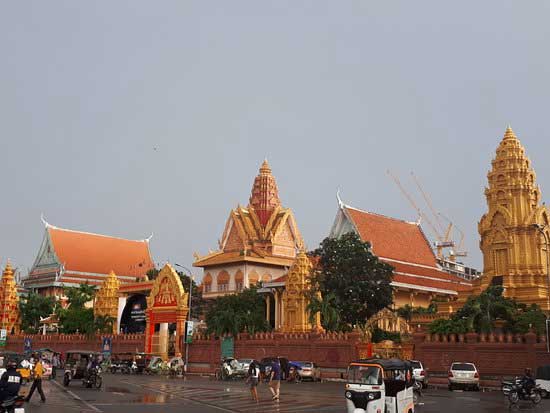
Phnom Penh offers a variety of attractions that provide insight into Cambodia’s rich history, vibrant culture, and dynamic modern life. Here are the must-visit destinations:
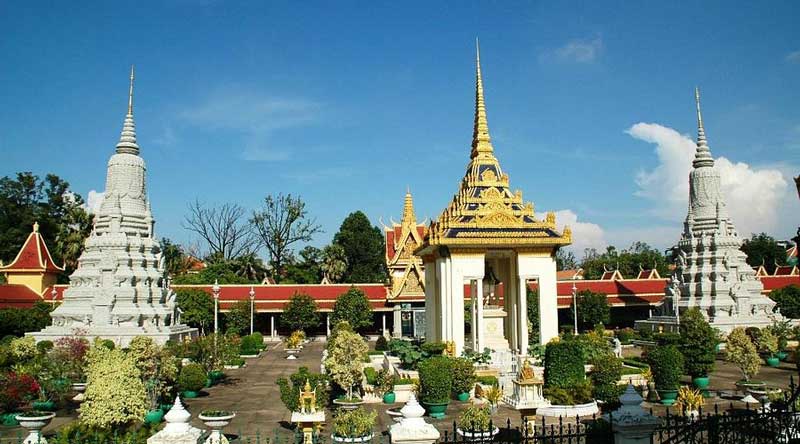
The Royal Palace is a stunning example of Khmer architecture and serves as the residence of the Cambodian royal family. Visitors can explore the beautifully manicured gardens and the Silver Pagoda, named for its floor made of over 5,000 silver tiles. Inside, you’ll find treasures like the Emerald Buddha and life-sized gold Buddha adorned with diamonds.
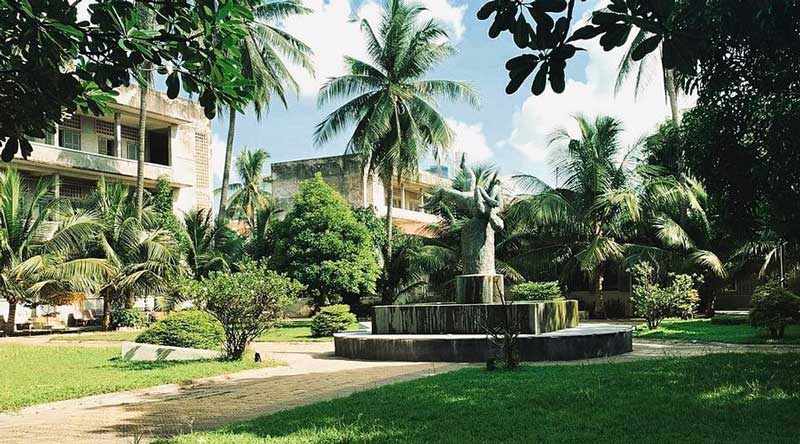
A sobering reminder of Cambodia’s tragic history, this museum is housed in a former high school that was turned into a prison during the Khmer Rouge regime. The exhibits include photographs, personal stories, and artifacts that pay tribute to the victims while educating visitors about the country’s resilience.
Located just outside the city, Choeung Ek is a site where thousands of people lost their lives during the Khmer Rouge era. The memorial stupa filled with victims’ skulls stands as a somber testament to Cambodia’s history. Despite its grim past, the peaceful surroundings evoke hope and reflection.
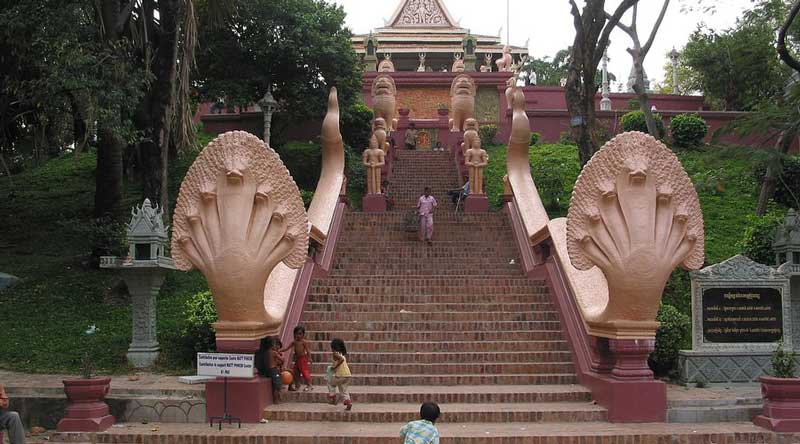
Perched on a small hill, Wat Phnom is the city’s namesake and a significant spiritual site. This Buddhist temple is a place of worship and offers a serene retreat from the city’s bustling streets. The lush surroundings and panoramic views from the hilltop add to the experience.
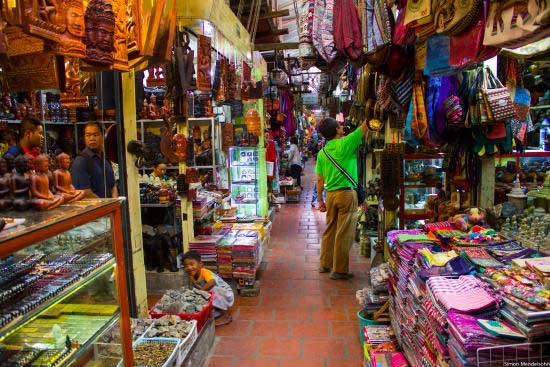
A haven for shoppers, the Russian Market is known for its wide array of goods, from handmade crafts and silk scarves to souvenirs and jewelry. It’s also a great place to sample authentic Cambodian street food while mingling with locals.
The Riverside is a vibrant area where locals and tourists gather to enjoy the scenic views of the Mekong and Tonlé Sap rivers. It’s an excellent spot for a leisurely stroll, dining at open-air restaurants, or watching the sunset. The area also comes alive at night with bars and cafes offering live music and a relaxed atmosphere.
This iconic monument, built to commemorate Cambodia’s independence from France, is a striking architectural symbol. Located at the intersection of major boulevards, it’s beautifully lit at night and surrounded by well-maintained gardens, making it a popular spot for photography.
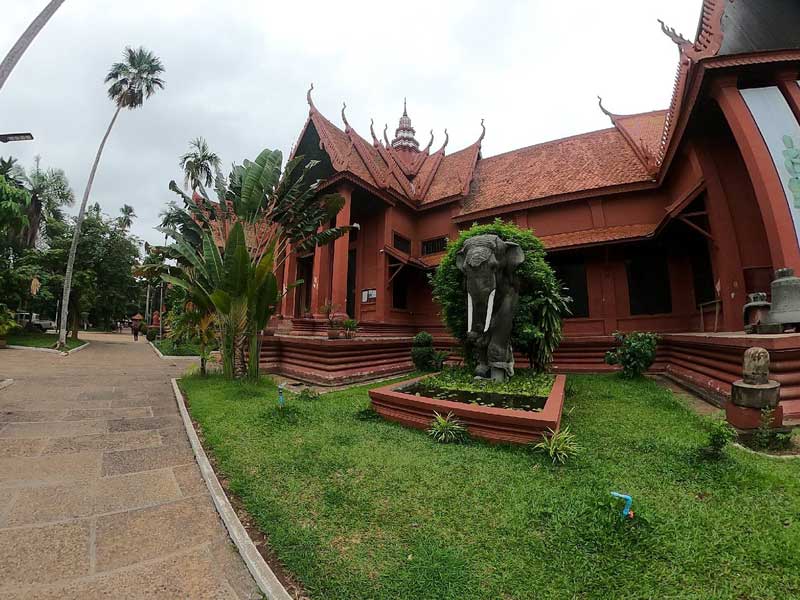
This museum houses the world’s finest collection of Khmer art and artifacts, including sculptures, ceramics, and ancient relics. It’s a great place to learn about Cambodia’s history and cultural heritage, with exhibits that date back to the pre-Angkorian era.
Phnom Penh seamlessly combines historical depth, cultural richness, and urban excitement, making it a destination that appeals to every traveler.
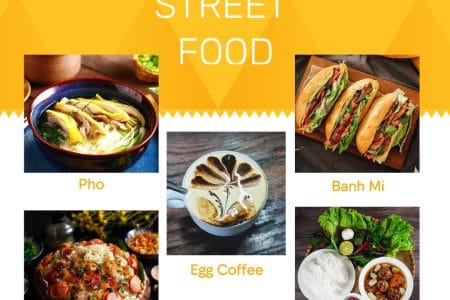
Phnom Penh is a culinary treasure trove that offers a mix of traditional Khmer cuisine, street food delights, and international influences. Here are some iconic dishes and specialties you must try in Phnom Penh:
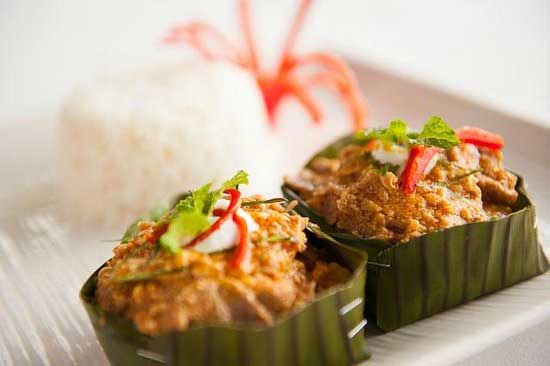
Fish Amok is one of Cambodia’s national dishes, and Phnom Penh is the perfect place to savor this creamy, fragrant curry. Made with fish, coconut milk, lemongrass, and a blend of spices, the dish is steamed in banana leaves, creating a rich and aromatic flavor.
A popular breakfast dish, Bai Sach Chrouk features thinly sliced marinated pork grilled to perfection and served with rice. It often comes with a side of pickled vegetables and a bowl of light, flavorful broth.
Known as “Khmer noodles,” this dish consists of rice noodles topped with a green fish curry sauce, fresh herbs, bean sprouts, and banana flower slices. It’s a refreshing and light meal, often enjoyed for breakfast or lunch.

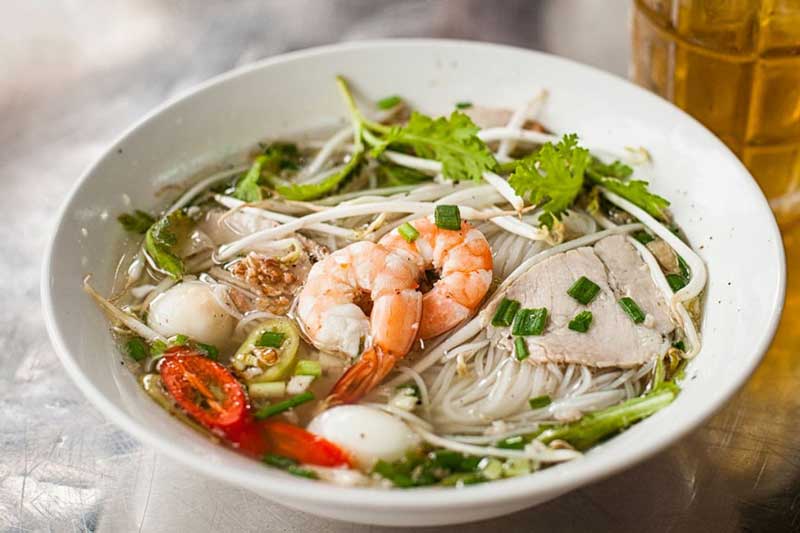
This comforting noodle soup is a staple in Phnom Penh’s street food scene. Kuy Teav is made with a pork or beef bone broth, rice noodles, and various toppings like sliced beef, meatballs, or shrimp. It’s typically garnished with lime, bean sprouts, and fresh herbs.
Lok Lak is a beloved Khmer dish featuring tender, stir-fried beef served with rice or French fries. The dish is accompanied by a tangy lime-pepper dipping sauce and fresh salad, making it both flavorful and satisfying.
Prahok Ktis is a savory dip made from fermented fish paste, minced pork, coconut milk, and aromatic spices. It’s typically served with a platter of fresh vegetables for dipping, providing a burst of authentic Khmer flavors.
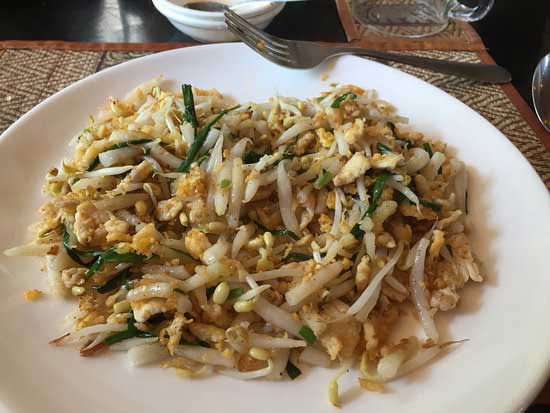
A favorite street food snack, Lort Cha is stir-fried rice noodles cooked with bean sprouts, chives, and a soy-based sauce, often topped with a fried egg and slices of beef or chicken.
Phnom Penh offers a variety of traditional sweets, such as Num Ansom Chek (banana sticky rice cake wrapped in banana leaves) and Chek Ktis (banana with coconut milk). These desserts are a must-try for anyone with a sweet tooth.
For an authentic street food experience, try the variety of meat skewers grilled over open flames. From marinated chicken to pork sausages, these skewers are flavorful, smoky, and perfect for snacking on the go.
Phnom Penh’s food scene is vibrant and diverse, offering something for everyone. Whether you’re dining at a high-end restaurant or sampling street food from local vendors, the city’s culinary delights will leave you craving more.