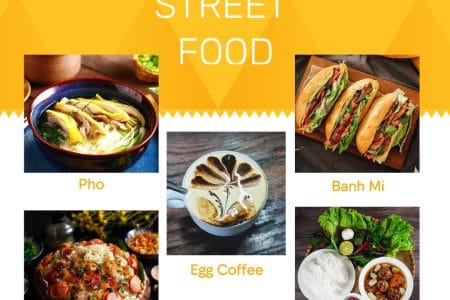
Svay Rieng is a lesser-known yet fascinating province in southeastern Cambodia, located near the border with Vietnam. Though it is often overlooked by travelers heading to Phnom Penh or Ho Chi Minh City, Svay Rieng offers a unique blend of cultural heritage, scenic landscapes, and exciting activities. The province is famous for its rural charm, historic sites, and delicious local cuisine.
One of the key highlights of Svay Rieng is Bavet, a bustling border town known for its casinos, shopping centers, and lively nightlife. However, beyond the urban excitement, the province is also home to ancient temples, picturesque rice fields, and traditional Khmer villages. Whether you are looking for a relaxing getaway, a cultural experience, or a bit of adventure, Svay Rieng has something for everyone.

Svay Rieng is easily accessible from both Cambodia and Vietnam. Here are some of the best ways to get there:
From Phnom Penh: The province is approximately 125 km (78 miles) southeast of Phnom Penh. You can take a bus, minivan, or private taxi, with a travel time of 2.5 to 3 hours. Ticket prices range from $6–$12.
From Ho Chi Minh City (Vietnam): Svay Rieng is close to Bavet, the main border crossing between Cambodia and Vietnam. Buses from Ho Chi Minh City to Bavet take about 2 hours, and from there, you can take a taxi or local transport to Svay Rieng town. Bus fares are around $8–$15.
By Private Car or Motorbike: If you prefer a more flexible option, renting a car or motorbike is a great way to explore the province at your own pace.
The best time to visit Svay Rieng is during the dry season, from November to April. This period offers pleasant weather, making it ideal for sightseeing and outdoor activities. The wet season (May to October) brings heavy rainfall, which can make travel more challenging, but it also enhances the beauty of the countryside with lush green landscapes.
For a special experience, consider visiting during Khmer New Year in April or other local festivals, where you can witness traditional dances, ceremonies, and celebrations.
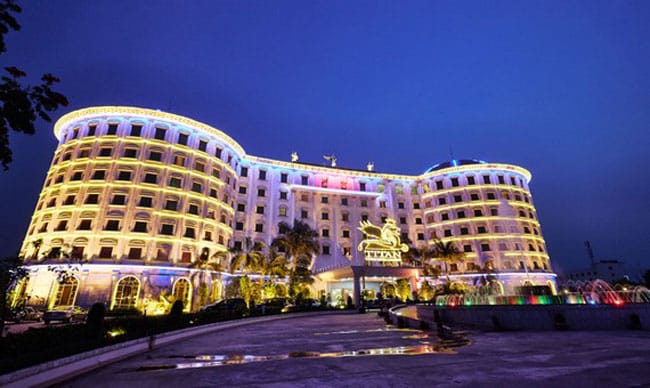
Bavet is the most famous town in Svay Rieng, known for its casinos, nightlife, and shopping centers. Many visitors from Vietnam and Cambodia come here for entertainment. Even if you are not a gambler, the lively atmosphere, restaurants, and duty-free shopping make it worth a visit.
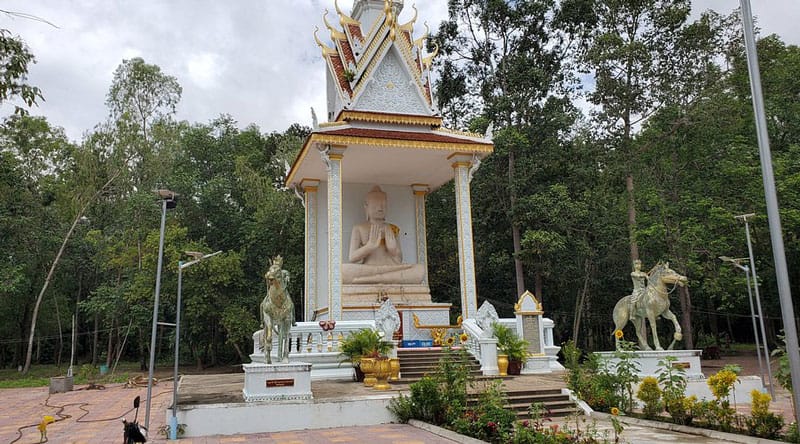
This ancient temple, located just outside Svay Rieng town, offers a glimpse into Cambodia’s spiritual and architectural heritage. The temple features beautiful stone carvings, serene gardens, and a peaceful atmosphere, making it an excellent place for meditation and exploration.
Svay Rieng’s rural landscapes are stunning, with endless rice fields, traditional Khmer houses, and small villages. Rent a bicycle or motorbike to explore the area, interact with locals, and experience authentic Cambodian countryside life.
For a taste of local life, head to Svay Rieng Market, where you can find fresh produce, seafood, traditional handicrafts, and delicious street food. This is a great place to try local specialties and experience the daily life of Cambodians.
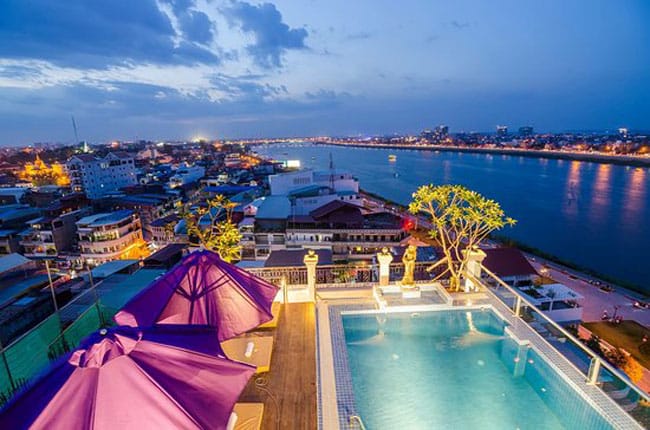
Located along the Mekong River, Neak Loeung is a great spot to relax and enjoy the scenic views. The area features small restaurants and cafés where you can enjoy a meal or a refreshing drink while watching the sunset over the river.

A popular breakfast dish in Cambodia, Bai Sach Chrouk consists of grilled pork slices served with fragrant rice, pickled vegetables, and a side of soup. It’s a must-try meal for first-time visitors.
This traditional Cambodian noodle dish features rice noodles topped with a green fish curry, fresh herbs, and vegetables. It is a light yet flavorful dish, perfect for lunch or dinner.

A local delicacy in Svay Rieng, fried frog with lemongrass and chili is a crunchy and flavorful dish that adventurous foodies should try. It is commonly served in local markets and restaurants.

Freshwater fish from the Mekong River is often grilled with herbs and spices, giving it a smoky and delicious taste. It is usually served with rice and a spicy dipping sauce.

A famous Cambodian sweet treat, Num Ansom Chek is made from sticky rice, banana, coconut milk, and wrapped in banana leaves before being steamed. It’s a great dessert or snack to try while exploring the local markets.
Bring cash: ATMs can be limited in some areas, so it’s best to carry some Cambodian Riel (KHR) or US dollars.
Dress modestly: When visiting temples and religious sites, wear appropriate clothing that covers shoulders and knees.
Learn some basic Khmer phrases: Knowing a few local words like “Hello” (Suostei) or “Thank you” (Arkun) can make interactions with locals more enjoyable.
Stay hydrated: The weather can be hot, so carry a bottle of water when exploring.
Be cautious in Bavet: If visiting the casinos, set a budget and be mindful of scams.
Accommodation: Budget guesthouses start from $10–$20 per night, while mid-range hotels range from $30–$60 per night.
Food: Local meals cost around $2–$5 per dish, while dining at a higher-end restaurant may cost $10–$20 per meal.
Transportation: Buses from Phnom Penh cost $6–$12, and local tuk-tuks or motorbike rentals range from $5–$15 per day.
Entrance Fees: Most temples and markets are free to visit, but some attractions may have small fees ranging from $1–$5.
Svay Rieng may not be as famous as other Cambodian destinations, but it offers a unique travel experience with its mix of urban excitement and rural beauty. Whether you’re passing through on the way to Vietnam or looking for a quiet getaway, Svay Rieng is definitely worth a visit!