Introduction
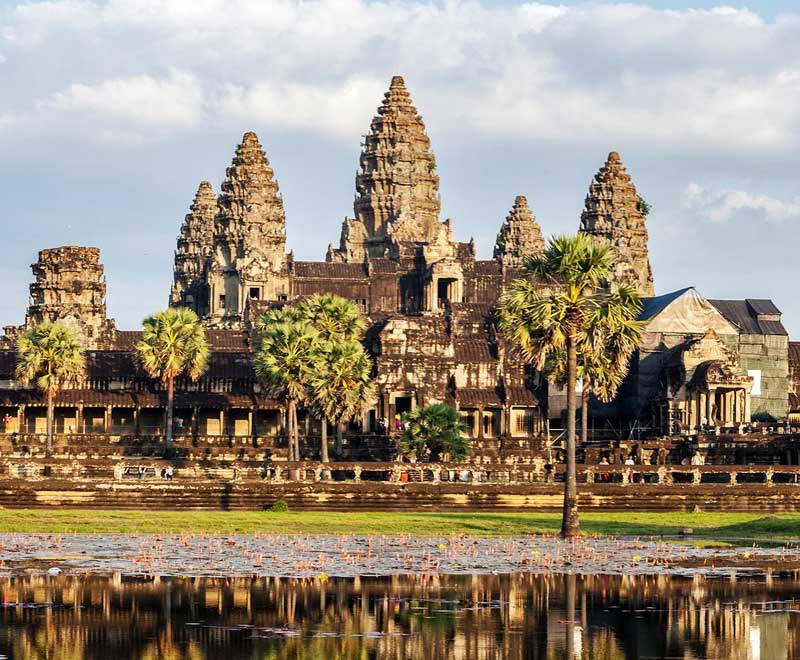
Siem Reap, the cultural jewel of Cambodia, is renowned as the gateway to the world-famous Angkor Archaeological Park, home to Angkor Wat and other historic temples. This city, deeply rooted in Khmer history, offers much more than ancient ruins. Siem Reap is a vibrant destination where traditional Cambodian culture meets modern-day charm. Visitors can explore bustling markets, enjoy lively performances, and immerse themselves in local traditions. The city’s scenic surroundings, including floating villages and lush rice fields, provide a serene contrast to its dynamic nightlife. Whether you’re an adventure seeker, history enthusiast, or foodie, Siem Reap promises an unforgettable experience that blends the past and present seamlessly.
Weather in Siem Reap
Siem Reap experiences a tropical climate, making it warm and humid year-round, with distinct dry and wet seasons.
Dry Season (November to April): This is the most popular time to visit Siem Reap, with temperatures ranging from 20°C to 35°C (68°F to 95°F). The skies are clear, and humidity levels are lower, offering ideal conditions for exploring the temples of Angkor. December and January are particularly pleasant, with cooler mornings and evenings.
Wet Season (May to October): Characterized by frequent rains, this season transforms the landscape into lush greenery. Temperatures remain high, averaging 25°C to 35°C (77°F to 95°F), but afternoon showers provide a refreshing break from the heat. While the rains can sometimes make travel challenging, they also bring fewer crowds and a unique charm, especially with the moats and ponds around the temples filled with water.
No matter the season, Siem Reap’s weather ensures that the temples and natural attractions remain captivating, making it a year-round destination. However, travelers should prepare for the heat by wearing light, breathable clothing and staying hydrated.
How to Get to Siem Reap
Siem Reap is well-connected and accessible via various means of transportation, making it convenient for travelers from different parts of the world. Here are the main ways to reach Siem Reap:
By Air:
Siem Reap International Airport (REP) is the main gateway for international and domestic flights. The airport is served by many airlines offering direct flights from major cities such as Bangkok, Kuala Lumpur, Singapore, Hanoi, and Ho Chi Minh City. Domestic flights from Phnom Penh and Sihanoukville are also frequent. The airport is just 7 km (4.3 miles) from the city center, and travelers can easily reach their accommodation via taxis, tuk-tuks, or airport shuttles.
By Bus:
Siem Reap is well-connected by long-distance buses to other Cambodian cities and neighboring countries.
- From Phnom Penh: The journey takes around 5-6 hours, with options ranging from standard to luxury buses. Popular operators include Giant Ibis and Mekong Express.
- From Bangkok: Several bus companies operate services from Bangkok to Siem Reap, with travel times ranging from 8 to 10 hours. This includes crossing the border at Poipet, which can take some time.
- From Ho Chi Minh City or Laos: Some routes connect Siem Reap with cities in Vietnam and Laos, though these journeys are longer and may require a transfer in Phnom Penh.
By Boat:
For a scenic and unique experience, travelers can take a ferry or speedboat from Phnom Penh or Battambang during the wet season (May to October). The trip offers stunning views of the Tonle Sap Lake and surrounding landscapes, though it can take 6-8 hours and is subject to water levels.
By Private Car or Taxi:
Hiring a private car or taxi is a flexible and comfortable option for reaching Siem Reap, especially from Phnom Penh or Battambang. The drive takes about 4-5 hours from Phnom Penh and offers opportunities to stop at interesting landmarks along the way.
By Train:
While Cambodia is revamping its railway system, there are currently no direct train services to Siem Reap.
Siem Reap’s accessibility through diverse transport options ensures that travelers can choose a method that suits their preferences, schedule, and budget.
Things to Do in Siem Reap
Siem Reap is a treasure trove of cultural, historical, and natural wonders. From exploring the iconic temples to engaging in local traditions, there is no shortage of things to do in this vibrant city.
1. Explore Angkor Wat and the Angkor Archaeological Park

- Angkor Wat: A UNESCO World Heritage Site, Angkor Wat is the crown jewel of Siem Reap. This massive temple complex, built in the 12th century, is renowned for its intricate bas-reliefs, towering spires, and spiritual significance. Visit during sunrise for breathtaking views and a magical experience.
- Bayon Temple: Famous for its enigmatic smiling faces, this temple within the Angkor Thom complex offers a fascinating glimpse into Khmer art and history.
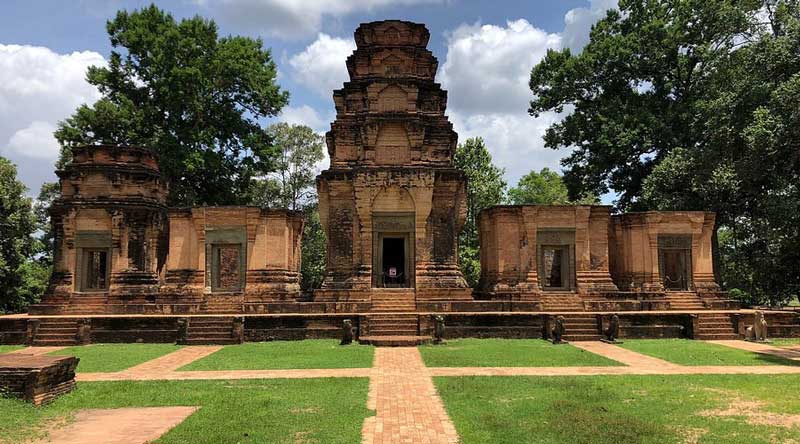
- Ta Prohm Temple: Known as the “Tomb Raider Temple,” Ta Prohm is overgrown with massive tree roots, creating a unique and mystical atmosphere.
2. Take a Boat Tour of Tonle Sap Lake
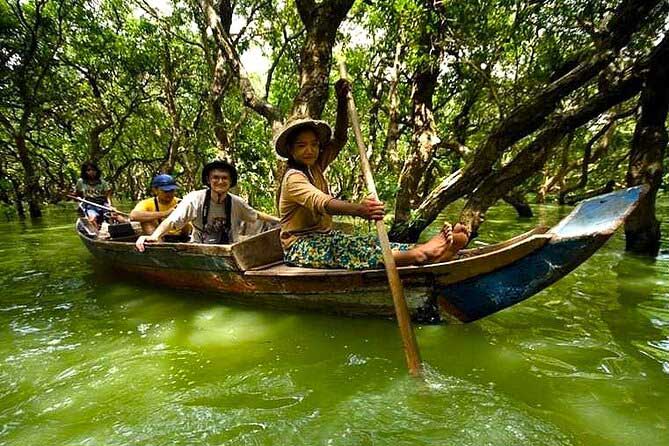
Experience the largest freshwater lake in Southeast Asia by visiting Tonle Sap.
- Explore floating villages like Kampong Phluk and Chong Kneas, where houses are built on stilts, and observe the daily lives of locals who depend on fishing and farming.
- During the wet season, the lake swells, offering lush landscapes and a bustling ecosystem.
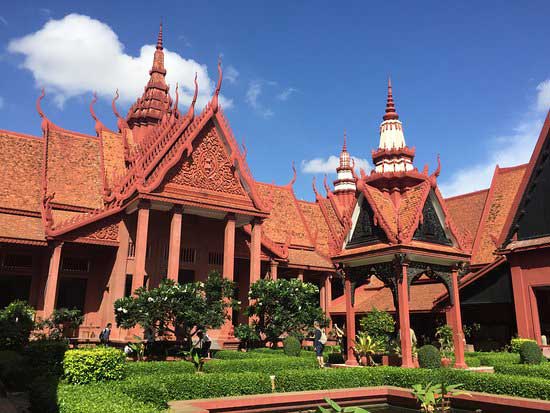
3. Visit the Angkor National Museum
Dive deeper into Cambodian history and culture at this modern museum. Its impressive collections include artifacts, sculptures, and exhibits showcasing the Khmer Empire’s grandeur and the spiritual significance of Angkor Wat.
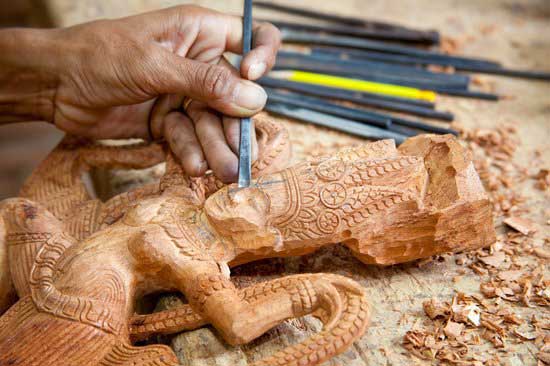
4. Discover the Artisans and Crafts
- Artisans Angkor: Learn about traditional Cambodian crafts such as silk weaving, wood carving, and stone sculpting at this workshop. Visitors can watch artisans at work and purchase handmade souvenirs.
- Made in Cambodia Market: A vibrant market offering unique, locally made products, from clothing and jewelry to artwork.
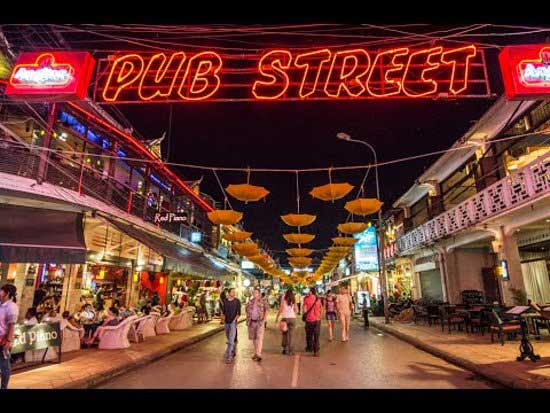
5. Enjoy Siem Reap’s Nightlife
- Pub Street: The heart of Siem Reap’s nightlife, Pub Street is packed with bars, restaurants, and street food vendors. It’s the perfect place to relax, enjoy a drink, and soak in the lively atmosphere.
- Phare, The Cambodian Circus: Witness an awe-inspiring performance blending acrobatics, dance, and storytelling, all while supporting a social enterprise that helps disadvantaged youth.
6. Take a Cooking Class
Learn how to prepare traditional Cambodian dishes like amok, Khmer curry, and spring rolls. Cooking classes often include visits to local markets to select fresh ingredients, offering an immersive culinary experience.
7. Explore the Local Markets
- Old Market (Phsar Chas): A bustling market where you can shop for souvenirs, local spices, handicrafts, and fresh produce.
- Night Markets: Siem Reap boasts several night markets where visitors can find affordable clothing, accessories, and unique handmade items.
8. Cycle Around Siem Reap
Rent a bicycle or take a cycling tour to explore Siem Reap’s countryside. Ride through lush rice fields, quaint villages, and scenic trails surrounding the Angkor temples.
9. Visit the Cambodian Cultural Village
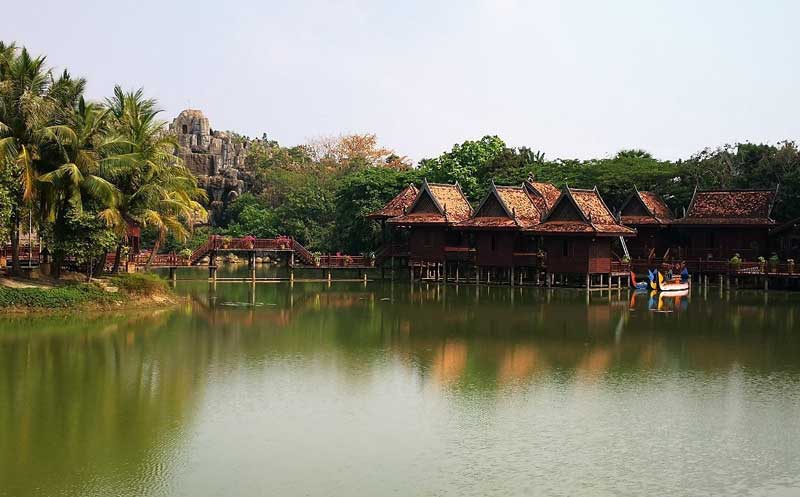
This cultural theme park offers a snapshot of Cambodia’s diverse ethnic groups and traditions. Through mini-villages, performances, and exhibits, visitors can learn about local customs and history.
10. Relax with a Spa Treatment
After a day of exploring, unwind with a traditional Khmer massage or spa treatment. Siem Reap is home to numerous wellness centers offering relaxing services at various price points.
Siem Reap is a city that combines the ancient and the modern, offering a rich tapestry of activities for every type of traveler. From spiritual exploration to cultural immersion, there’s something for everyone to enjoy.
Things to Eat in Siem Reap
Siem Reap offers a vibrant culinary scene that reflects the rich flavors and traditions of Cambodian cuisine. Here are some must-try dishes and where to find them:
1. Fish Amok

- Description: A national dish of Cambodia, fish amok is a creamy and aromatic curry made with freshwater fish, coconut milk, and a blend of traditional spices, including lemongrass, turmeric, and galangal. It’s often steamed in banana leaves, giving it a unique presentation and flavor.
- Where to Try: Local restaurants like Chanrey Tree and Khmer Kitchen Restaurant serve excellent fish amok.
2. Lok Lak

- Description: This savory stir-fried beef dish is marinated with soy sauce, oyster sauce, and pepper. It is typically served with rice, a fried egg, and a tangy lime and pepper dipping sauce.
- Where to Try: Look for lok lak at Genevieve’s Restaurant or The Sugar Palm.
3. Khmer Red Curry
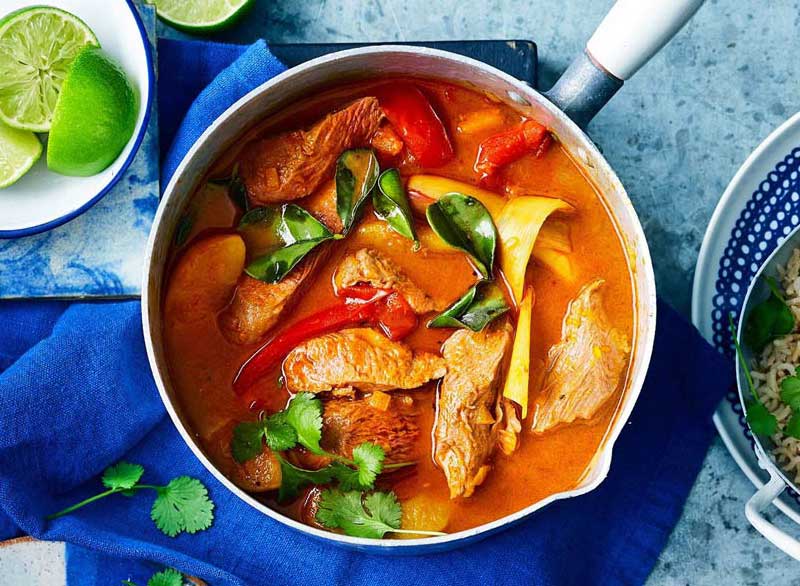
- Description: Unlike Thai curry, Khmer red curry is milder but equally flavorful. Made with coconut milk, chicken or beef, eggplant, and green beans, it’s a comforting dish often enjoyed with rice or crusty bread.
- Where to Try: Khmer BBQ or Amok Restaurant are great spots to enjoy this dish.
4. Nom Banh Chok (Khmer Noodles)
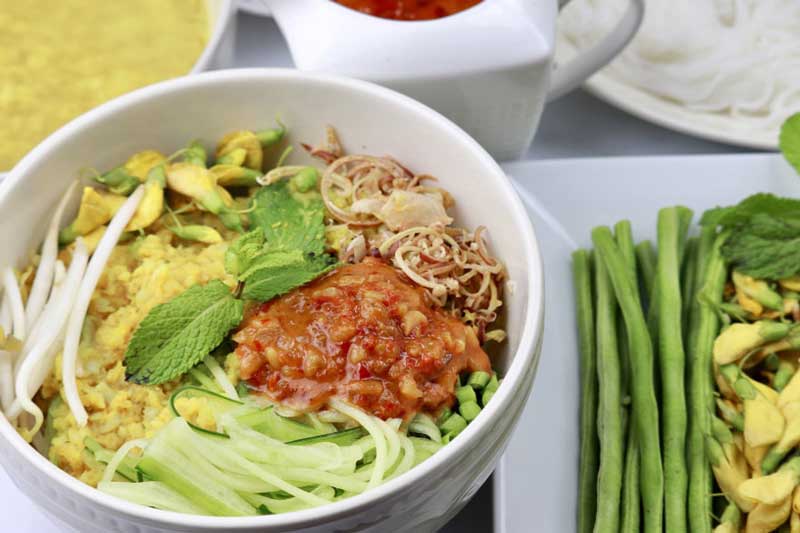
- Description: A popular breakfast dish, nom banh chok consists of rice noodles topped with a fragrant green curry sauce, made from lemongrass, turmeric, and fish paste. It’s served with fresh herbs, cucumber, and bean sprouts.
- Where to Try: Visit local street vendors in the morning for the most authentic experience.
5. Prahok Ktis
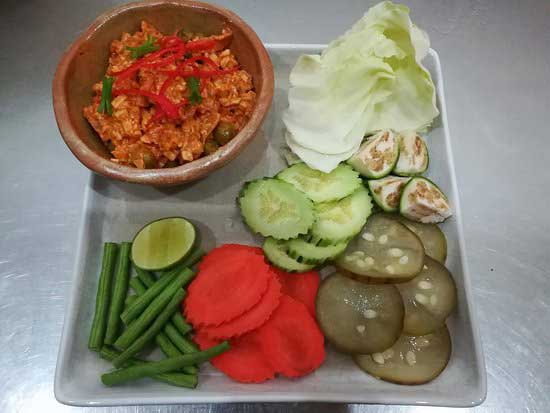
- Description: A rich and pungent dish made with prahok (fermented fish paste), minced pork, coconut milk, and spices. It’s usually served with fresh vegetables for dipping, making it a true taste of traditional Cambodian cuisine.
- Where to Try: Found in more traditional eateries like Marum or Sugar Palm.
6. Bai Sach Chrouk (Grilled Pork with Rice)
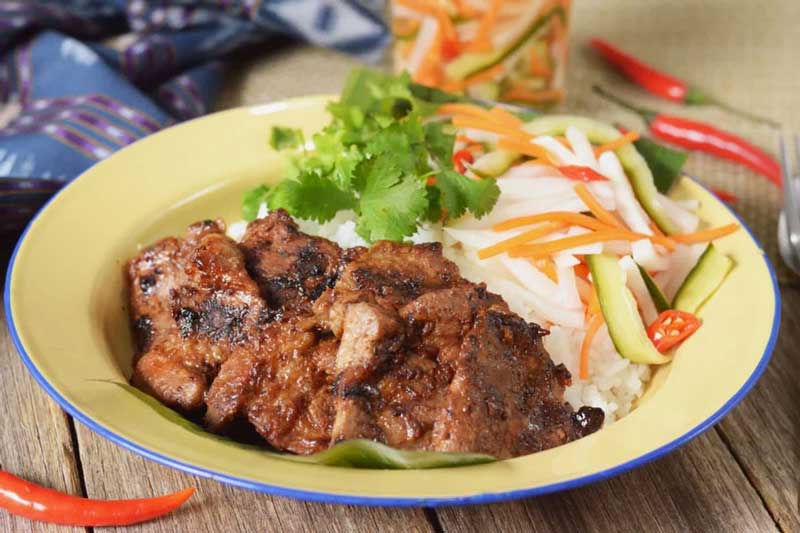
- Description: A simple yet delicious breakfast dish featuring thinly sliced grilled pork marinated in coconut milk and garlic, served over steamed rice with pickled vegetables.
- Where to Try: Street vendors and local markets often serve this dish in the early mornings.
7. Kuy Teav (Noodle Soup)
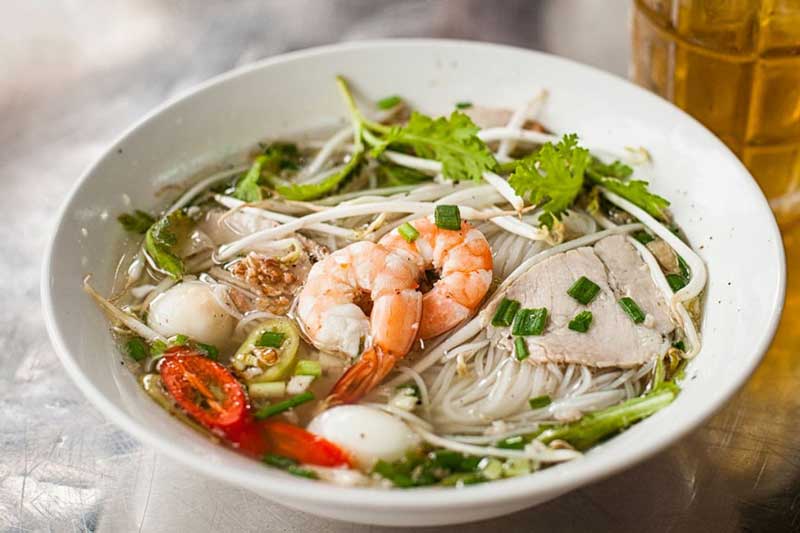
- Description: A flavorful soup made with a pork or beef broth, rice noodles, and a variety of toppings like bean sprouts, fresh herbs, and lime. Kuy teav is a popular breakfast option that can be customized to your taste.
- Where to Try: Phsar Leu Market or small noodle shops around the city.
8. Grilled Street Foods
- Description: The streets of Siem Reap are filled with vendors selling grilled delights like skewered meat, fish, and even frogs. These are marinated in local spices and grilled to perfection.
- Where to Try: Visit Pub Street or the Angkor Night Market for a variety of street food options.
9. Cambodian Desserts
- Description: Satisfy your sweet tooth with traditional Cambodian desserts like sticky rice with mango, pumpkin custard, or Num Ansom Chek (banana rice cakes). These treats are often made with coconut milk and palm sugar.
- Where to Try: Local dessert stalls or the Old Market.
10. Exotic Fruits and Snacks
- Description: Siem Reap’s markets are a paradise for fruit lovers. Try tropical fruits like dragon fruit, mangosteen, and rambutan, or snack on fried crickets and tarantulas for a unique experience.
- Where to Try: Phsar Chas (Old Market) or roadside stalls.
Siem Reap’s culinary offerings provide an exciting mix of traditional flavors and adventurous tastes, making it a must-visit destination for food enthusiasts.
Price
Siem Reap offers a range of options to suit different budgets:
- Accommodation:
- Budget guesthouses: $10–$20 per night.
- Mid-range hotels: $30–$60 per night.
- Luxury resorts: $100+ per night.
- Meals:
- Local street food: $1–$5.
- Mid-range restaurants: $10–$20 per meal.
- Fine dining: $30+ per person.
- Transportation:
- Tuk-tuk rides: $1–$5 within the city.
- Temple passes: $37 (1 day), $62 (3 days), $72 (7 days).