Champasak, a province in southern Laos, is a captivating destination that offers a harmonious blend of natural beauty, rich history, and cultural heritage. Known as the gateway to the stunning Bolaven Plateau and the mystical ruins of Wat Phou, a UNESCO World Heritage Site, Champasak attracts travelers seeking both adventure and serenity. This province is characterized by its picturesque landscapes, from rolling coffee plantations to the lush Mekong Riverbanks dotted with traditional stilted houses.
Visitors are drawn to Champasak not only for its scenic allure but also for its spiritual significance. Ancient temples, vibrant festivals, and the warm hospitality of the locals make this region a must-visit. Whether you’re exploring historical ruins, basking in the tranquility of the river islands, or indulging in the local cuisine, Champasak promises a unique and enriching experience.
Champasak is easily accessible via several transport options:
The ideal time to visit Champasak is during the dry season from November to March. During this period:
Avoid the rainy season (June to October) when heavy rains may disrupt travel plans and outdoor activities.
Champasak offers a variety of activities and attractions, from exploring historical ruins to experiencing natural wonders. Here are five must-visit destinations and activities to immerse yourself in the charm of this southern province:
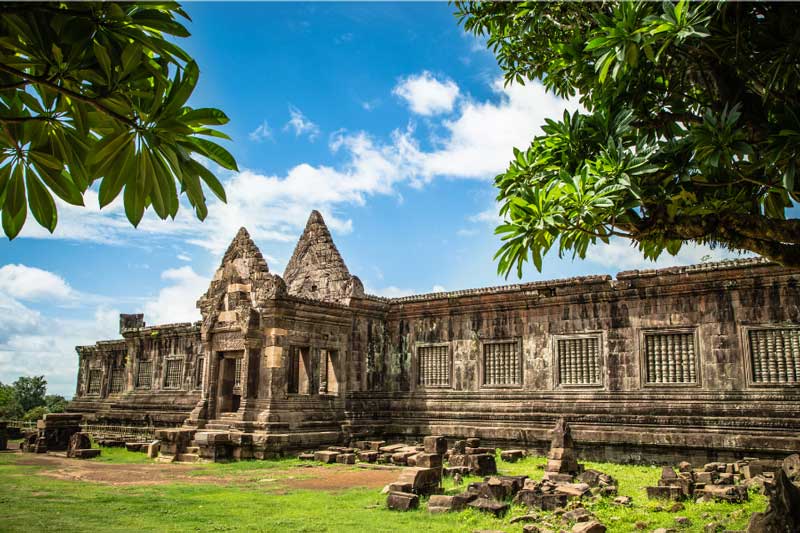
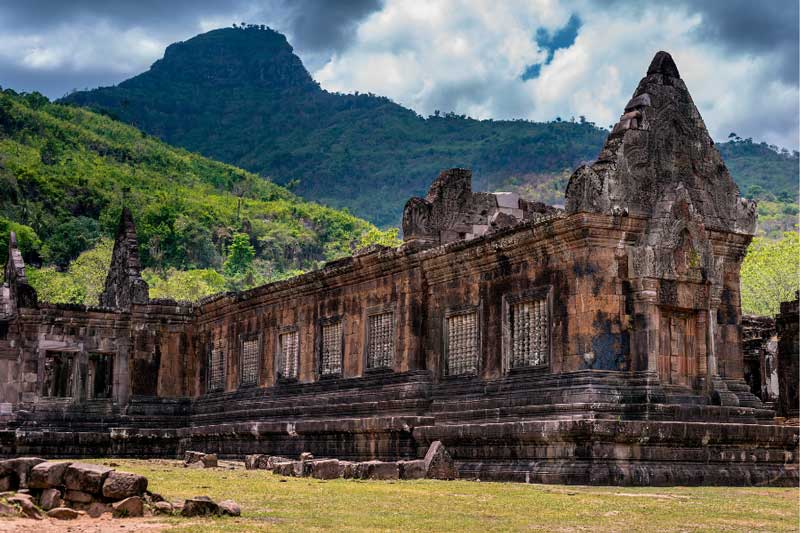
Wat Phou is a UNESCO World Heritage Site and one of the most iconic attractions in Champasak. This ancient Khmer temple complex, dating back to the 5th century, is nestled at the base of Mount Phou Khao. The site offers stunning views of the surrounding landscape and features intricately carved stonework that reflects the spiritual and architectural brilliance of the era. A visit here is a journey through history, spirituality, and breathtaking natural beauty.
Si Phan Don, or the “4000 Islands,” is a serene archipelago along the Mekong River. The most popular islands, Don Khong, Don Det, and Don Khon, offer opportunities for relaxation and exploration. Visitors can rent bicycles to explore the islands, take a boat trip to see the rare Irrawaddy dolphins, or simply unwind in a hammock while soaking in the tranquil river views.

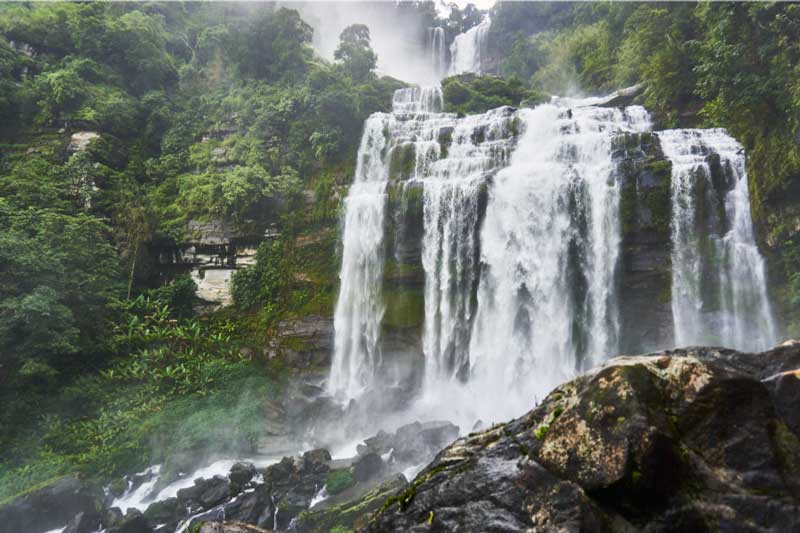
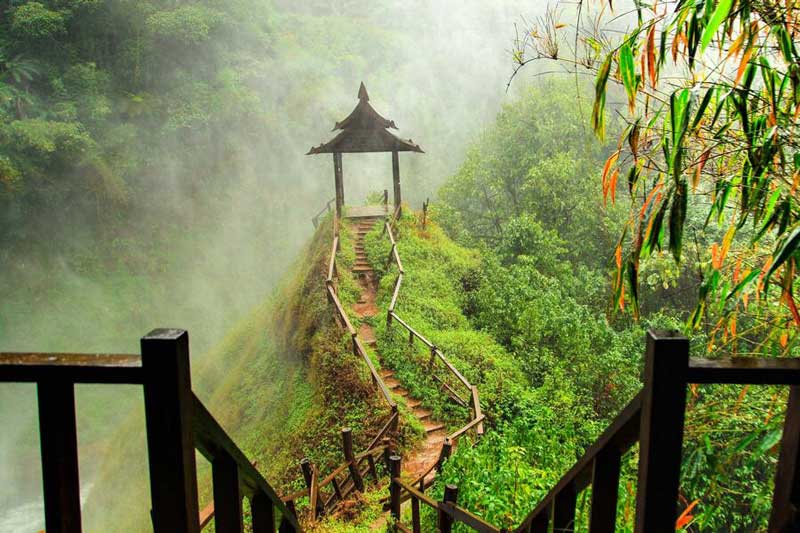
Known for its cool climate and fertile soils, the Bolaven Plateau is famous for its coffee plantations, waterfalls, and lush greenery. Highlights include the Tad Fane and Tad Yuang waterfalls, where cascading waters create a mesmerizing scene. Coffee lovers can visit local farms to learn about the coffee-making process and sample some of Laos’ finest brews.
Dubbed the “Niagara of the East,” Khone Phapheng Waterfall is the largest waterfall in Southeast Asia by volume. Located near the Cambodian border, this powerful cascade is a marvel of nature. The surrounding area is perfect for nature walks and photography, offering a closer look at the river’s might and beauty.
The charming town of Champasak offers a glimpse into Lao traditions and French colonial influences. Wander along its quiet streets lined with colonial-era buildings, visit small temples like Wat Muang Kang, and enjoy the peaceful ambiance. Don’t miss the local markets, where you can shop for traditional handicrafts and try authentic Lao street food.
Champasak is a destination that blends cultural richness with natural splendor, making every moment here an unforgettable adventure.