

Vietnam’s Most Breathtaking Passes for Intrepid Explorers
Vietnam’s diverse topography, with 75% of the country covered in mountains, naturally gives rise to some of the most thrilling and scenic mountain passes in Southeast Asia. These high-altitude routes connect isolated regions, threading through jagged cliffs, lush valleys, and cloud-wrapped peaks. While they challenge the most experienced drivers, they reward travelers with rare glimpses of nature’s raw beauty.
For those with a passion for exploration, Private Tour Asia invites you to experience seven of the most breathtaking passes Vietnam has to offer.
1. O Quy Ho Pass – The Longest Mountain Pass in Vietnam
Part of the famed “Four Great Mountain Passes” of Vietnam, O Quy Ho Pass straddles the border between Lai Chau and Lao Cai provinces, just 15 kilometers from Sapa. Stretching for 50 kilometers, it holds the title of the longest mountain pass in the country.
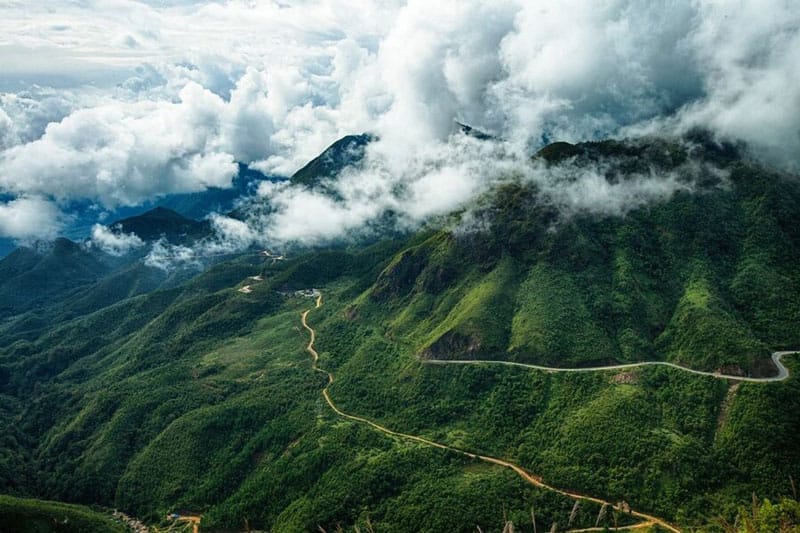
The terrain here shifts dramatically—from the jagged rock landscapes of Lai Chau to peaceful mountain villages in Lao Cai. The winding road climbs alongside steep cliffs, revealing awe-inspiring vistas at every turn. At the summit, travelers often stop for coffee amid the clouds, soaking in panoramic views of Vietnam’s northern highlands.
Though beautiful, O Quy Ho is not for the faint of heart. The road is narrow, serpentine, and requires sharp concentration and driving skills. Most explorers begin early in the day to avoid navigating the dangerous curves at night. But for true adventurers, O Quy Ho is an unforgettable conquest.
2. Khau Pha Pass – Horn of Heaven
Located in Yen Bai Province, Khau Pha Pass rises nearly 1,200 meters above sea level and is known as one of Vietnam’s most challenging routes. The name “Khau Pha,” meaning “Horn of Heaven” in the local Thai language, reflects the pass’s iconic shape—arching toward the clouds and often shrouded in mist.
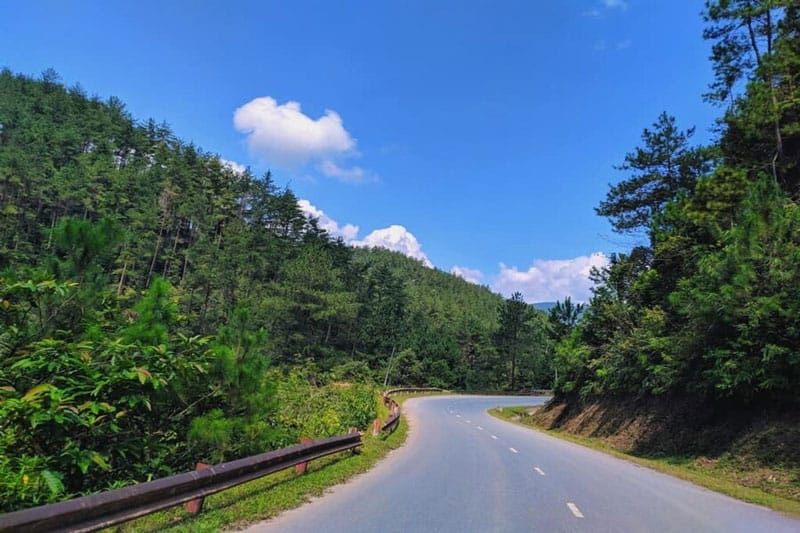
The pass is filled with sharp bends and steep inclines that put driving skills to the test. Spring and summer are the ideal times to travel, avoiding slippery roads caused by rain. Along the way, the lush forests harbor rare plant and animal species, adding even more intrigue to this already magical journey.
3. Pha Din Pass – Where Earth Meets Sky
Marking the boundary between Dien Bien and Son La provinces, Pha Din Pass stretches for 32 kilometers at an elevation that truly feels like touching the heavens. Its name, derived from the local language, literally means “where the earth meets the sky.”
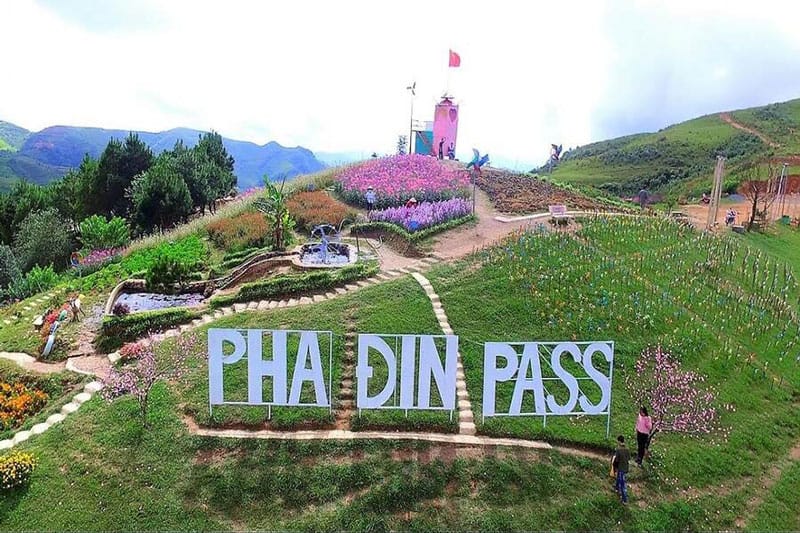
This pass is visually captivating—the road appears to hang like a thread between towering mountains. With narrow lanes, tight curves, and sudden drop-offs, driving here is both a thrill and a challenge. But what sets Pha Din apart is its role in Vietnamese history.
During the Battle of Dien Bien Phu, this pass served as a critical supply route for 8,000 militia, enduring 48 consecutive days of French bombardment. Today, Pha Din is not just a scenic route but a nationally recognized heritage site bearing deep historical significance.
4. Ma Pi Leng Pass – Masterpiece of the Northern Highlands
Located in Ha Giang Province, Ma Pi Leng Pass is part of the legendary “Happiness Road” and reaches approximately 1,500 meters above sea level. The 20-kilometer stretch carves along the cliffside, with jaw-dropping views of the Nho Que River and the Dong Van Karst Plateau, a UNESCO Global Geopark.
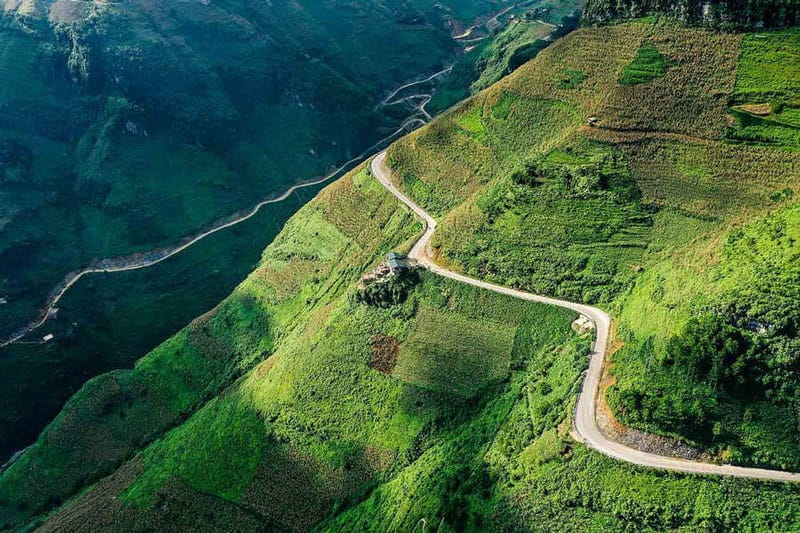
Every turn reveals a new masterpiece of nature—from dizzying cliffs to tiny ethnic villages nestled in the valley below. This region feels like a gateway into another world.
The best time to visit is between April and August when skies are clearer. However, unpredictable weather still demands caution, as sudden fog can obscure the already narrow route. Still, Ma Pi Leng is a must for any true explorer looking to connect with Vietnam’s raw, majestic beauty.
5. Ngang Pass – Where History and Nature Meet
Leaving the Northwest behind, Central Vietnam offers its own treasures—starting with Ngang Pass, which straddles the border between Ha Tinh and Quang Binh provinces. This pass lies at the start of the Annamite Range and reaches a modest 250 meters in elevation, but it offers no less in terms of panoramic grandeur.
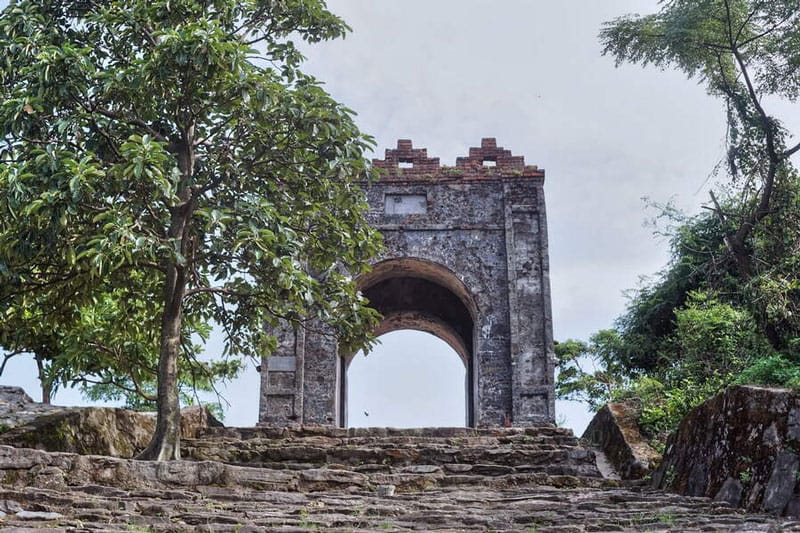
Ngang Pass is dotted with historical landmarks, including the Hoanh Son Quan from the Nguyen Dynasty. At its base, the temple of the Mother Goddess Lieu Hanh invites travelers to pause and reflect. The serene beauty of this pass has long inspired poets and artists throughout Vietnamese history.
Its unique blend of mountains, forests, and spiritual history makes Ngang Pass one of the most soulful stops for those exploring Vietnam’s highlands.
6. Hai Van Pass – The Legendary Coastal Pass
Perhaps the most famous pass in Vietnam, Hai Van Pass spans 20 kilometers along the Bach Ma mountain range between Da Nang and Hue. At about 500 meters above sea level, this winding road offers a stunning blend of mountainous and coastal scenery—frequently ranked among the most beautiful coastal roads in the world.
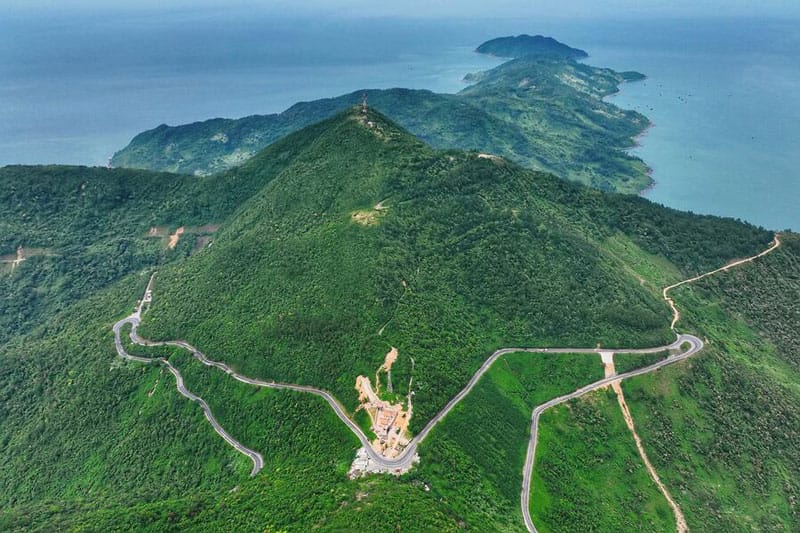
On one side, dramatic cliffs rise into misty peaks; on the other, the East Sea stretches into the horizon. On clear days, visitors can spot Da Nang City, the Son Tra Peninsula, and the golden sands of My Khe Beach in the distance.
Despite a modern tunnel that bypasses the mountain, most travelers still choose to drive the old pass route. Its countless viewpoints and timeless scenery make Hai Van Pass an unmissable part of Vietnam’s travel experience.
7. Bao Loc Pass – Gateway to Da Lat’s Highlands
Serving as a challenging gateway to Da Lat, Bao Loc Pass is a 10-kilometer route packed with over 100 tight curves and sharp corners. Located in Lam Dong Province, this pass weaves along cliffs and through dense forest, offering spectacular views and cooler temperatures as you ascend.
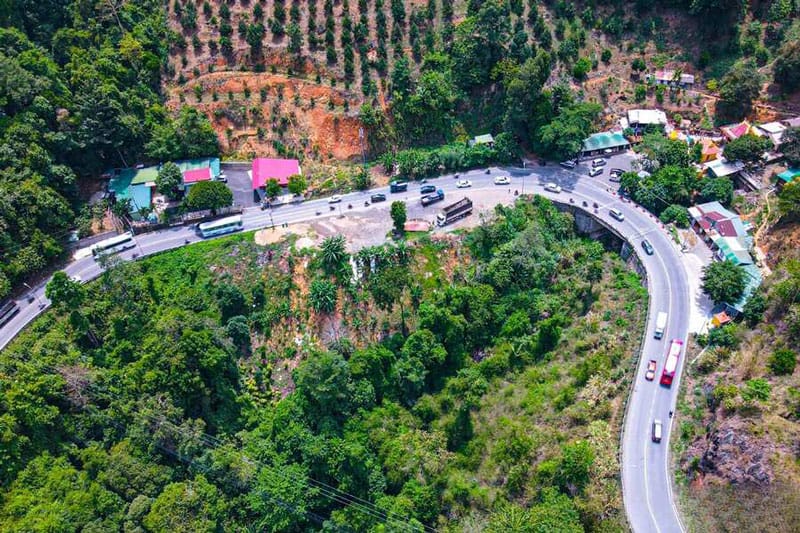
Though narrow and treacherous, this route is popular among backpackers and thrill-seekers eager to conquer it. Along the way, you’ll be greeted with colorful wildflowers and mist drifting across the Lam Vien Plateau.
The base of the pass is also home to charming villages and spiritual spots like Ba Co Temple, where travelers stop to pray for safety. Whether you drive, hike, or cycle, Bao Loc Pass is a perfect introduction to the enchanting landscapes of southern Vietnam.
Tips for a Safe and Successful Journey
Maintain Your Vehicle
Before hitting the road, ensure your motorcycle or car is in top condition. Check brakes, tires, headlights, and other critical systems, especially given the difficult terrain.

Check the Weather Forecast
Mountain weather changes quickly. Avoid rainy seasons when landslides and slippery roads are more common. For the safest trip, travel during dry months and keep an eye on local forecasts.
Pack Food and Water
Not all passes have rest stops. Bring water, snacks, and essentials to stay hydrated and energized for the journey. This is especially important for longer routes without nearby services.
Conclusion
Vietnam’s mountain passes offer more than just transit—they are experiences in their own right. These routes wind through stunning scenery, echo with historic tales, and challenge adventurers with their daring bends and elevation changes. Whether you’re traveling by car or motorbike, each pass promises a rewarding glimpse into the wild heart of Vietnam.
Ready to take the leap? Contact Private Tour Asia and start planning your highland adventure today!
0 Comment